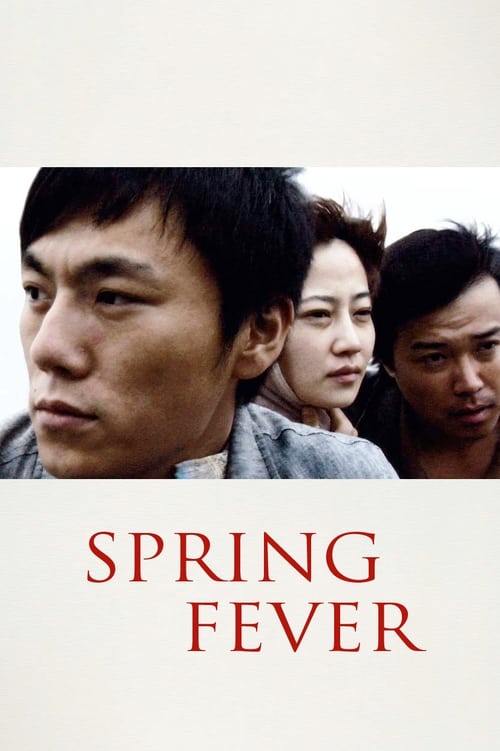
Spring Fever
2009
No user ratings available yet
Representation score: 8.3 out of 10
Representation Score
Fair
2000
PGDirector
Wong Kar-Wai
Runtime
99 minutes
Average Rating
No ratings yetNew Showbiz Analysis
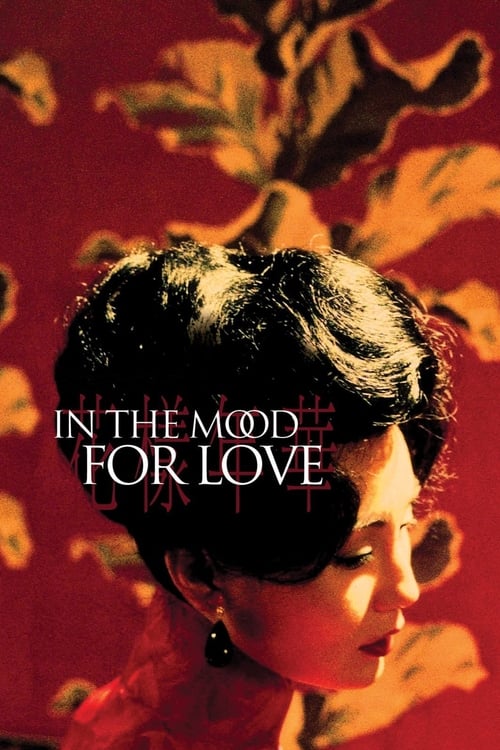
Wong Kar-Wai’s film excels in its atmospheric exploration of cultural hybridity and the psychological subtleties of 1960s Hong Kong. It provides a nuanced look at how colonial influence and social decorum shape individual identity and emotional restraint. While the film offers rich intellectual and cultural texture, it remains limited by its focus on traditional gender roles and does not engage with contemporary identity politics or explicit LGBTQ+ themes, keeping the diversity score moderate. Ultimately, the film's strength lies in its ability to deconstruct social propriety and explore the complexities of the human condition within a specific historical context.
Category Breakdown
The film centers on traditional romantic tensions and suppresses desires related to non-straight identities. It does not include explicit LGBTQ+ characters or explore non-cisgender identities, focusing instead on societal norms.
Su Li-zhen demonstrates strong emotional resilience and ability to act within the strict gender roles of 1960s Hong Kong. However, the characters are constrained by the era's rigid gender hierarchy.
The film showcases a rich mix of cultures in Hong Kong, challenging simplistic views of Asian identity during a time of social change. It highlights the complexity of cultural identity in a transitioning society.
The setting examines the tension between traditional Eastern values and Western modernity, emphasizing the emotional suppression caused by social institutions such as family and community reputation.
There are no prominent depictions of physical or neurodivergent disabilities that play key roles in the plot or character development.
Present on Screen
Limited or Absent
Official Synopsis
In 1960s Hong Kong, two neighbors form an intimate bond after making a discovery about their spouses in this visually stunning tale of unrequited love.
2009
1964
1997
1966
2021
2004
2009
1999
No reviews yet. Be the first to share your thoughts on this movie!
Use the rating form above to leave a star rating and optional review.