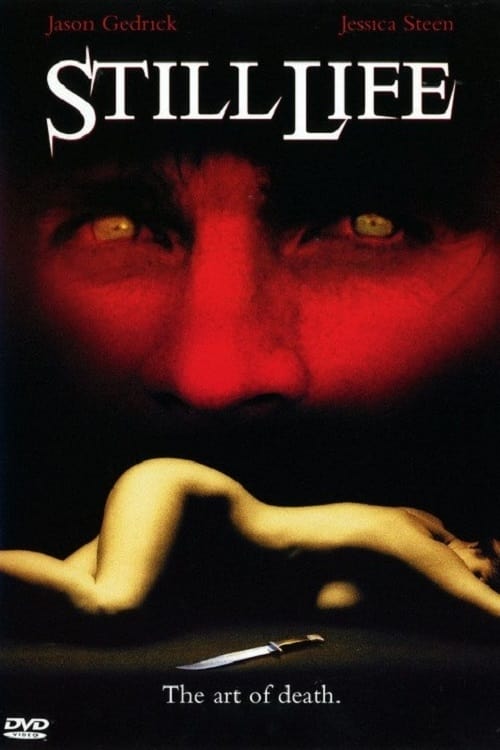
Still Life
1990
No user ratings available yet
Representation score: 2.5 out of 10
Representation Score
Limited
1990
RDirector
Tim Hunter
Runtime
97 minutes
Average Rating
No ratings yetNew Showbiz Analysis
Paint It Black deconstructs the mid-century American domestic ideal through a psychological lens. Though lacking in broad demographic diversity, the film's narrative challenges the perceived sanctity of the nuclear family. By framing the suburban ideal as fragile and potentially corrupting, the story transcends simple period drama into a critique of social institutions. The film's strength lies in its subversive approach to social norms.
Category Breakdown
The film does not include explicit LGBTQ+ characters or non-straight relationships. It focuses on the tension between the main character and an older woman.
The female lead plays a significant role in driving the story and challenging mid-century gender roles. She is not a passive figure but instead acts as a catalyst for the protagonist's rebellion.
The cast is mostly white and uniform, reflecting the 1950s suburban setting. The film does not use diverse casting to challenge social norms of the time.
The narrative critiques Western domesticity and the nuclear family structure. It portrays suburban life as repressive and psychologically damaging.
There are no prominent depictions of physical or neurological disabilities that play a key role in the plot.
Present on Screen
Limited or Absent
Official Synopsis
A California metal sculptor becomes a suspect after someone kills his gallery-owner lover.
1990

1988
1999

1987

1990
1975
1986
No reviews yet. Be the first to share your thoughts on this movie!
Use the rating form above to leave a star rating and optional review.