
Go Fish
1994
No user ratings available yet
Representation score: 8.6 out of 10
Representation Score
Fair
1996
RDirector
Tiffanie DeBartolo
Runtime
87 minutes
Average Rating
No ratings yetNew Showbiz Analysis
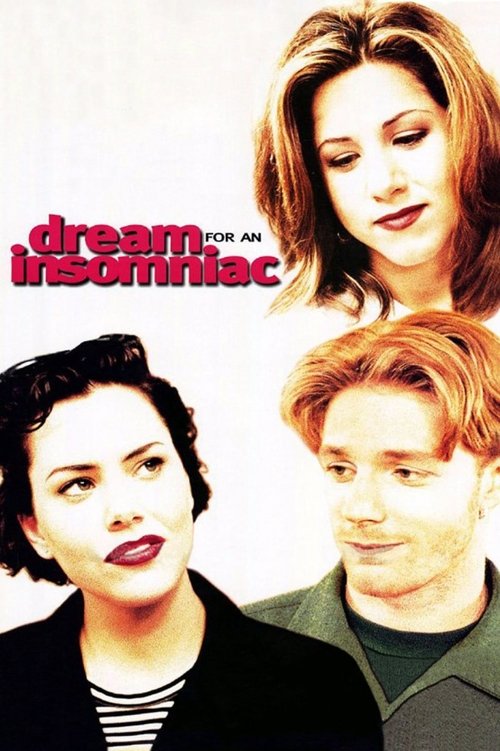
Dream for an Insomniac follows the typical structure of a mid-90s indie romance. While the protagonist actively shapes her life through major transitions, the story remains rooted in traditional romantic hierarchies and expectations. The film leans heavily on well-known genre clichés, such as the pursuit of destiny and romantic validation. This approach emphasizes personal idealism over a deeper exploration of diverse identities or social critiques. Overall, the work lacks a layered exploration of various identities. It functions primarily as a character-driven story that adheres to the storytelling norms of its time.
Category Breakdown
The story focuses on a traditional heterosexual relationship. There are no indications of queer identities or subtext suggesting non-straight relationships.
The female protagonist takes control of her life by moving to Los Angeles. However, her happiness is still linked to finding a suitable male partner.
The film does not provide specific information about the racial or ethnic makeup of its cast. It may fall into the common pitfall of homogeneous casting typical of mid-90s independent films.
The plot follows Western ideals of romance and individual achievement. It does not offer any critique of Western societal structures or institutions.
Insomnia serves as a central plot device. It seems to act more as a stylistic symbol rather than a detailed look at a chronic condition.
Present on Screen
Limited or Absent
Official Synopsis
A girl with insomnia who works in a coffee house has impossibly high standards for her love and fears she will never meet a worthy man. Then in walks a new employee and they click - until she discovers he has a girlfriend. Undaunted, she moves to L.A. with a friend sure that he will dump the girlfriend and follow her. She puts all her faith in fate and hopes for the best.
1994

1990

2000
1994

2002

2018

2005
2006
No reviews yet. Be the first to share your thoughts on this movie!
Use the rating form above to leave a star rating and optional review.