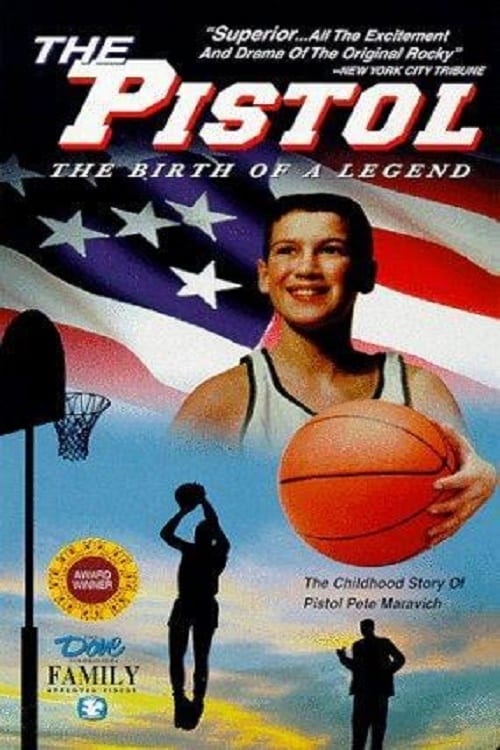
Pistol: The Birth of a Legend
1991
No user ratings available yet
Representation score: 3.1 out of 10

Representation Score
Limited
1999
Director
François Bouvier
Runtime
105 minutes
Average Rating
No ratings yetNew Showbiz Analysis
Winter Stories is a nostalgic period drama that prioritizes personal history and adolescent development. It functions as a character-driven look at life in 1966 Montreal, focusing on the protagonist's obsession with hockey and his relationship with his father. Because the film aims to evoke a specific historical moment, it relies heavily on the social and cultural hierarchies of the 1960s. The narrative architecture celebrates traditional institutions and masculine archetypes rather than seeking to disrupt them. Ultimately, the film offers a meaningful look at individual experience but lacks the breadth of representation required to challenge conventional social, gender, or racial norms.
Category Breakdown
The film focuses on adolescent male experiences within sports culture and family life. It does not include LGBTQ+ characters or narratives that challenge assumptions about straight relationships.
The story centers on a male protagonist and his relationship with his father. It reinforces traditional masculine roles through its focus on hockey and patriarchal family traditions.
Set in 1966 Montreal, the film reflects the era's demographic realities. The narrative appears rooted in a relatively homogeneous cultural landscape centered on local social circles.
This nostalgic period piece celebrates specific cultural heritage and established institutions. It prioritizes historical continuity and traditional Western values over the deconstruction of social structures.
There is no mention of characters navigating physical, neurodivergent, or mental health conditions within the narrative.
Present on Screen
Limited or Absent
Official Synopsis
An adult Martin Roy reminisces about his life in the 1966/67 school year. At fifteen years old and in his last year of junior high school, he breathed, ate and slept hockey. He collected hockey cards, played street hockey with his friends, tried skating and ice hockey for the first time in his life, but was most fascinated with his local national league team, the Montréal Canadiens, and its star player, Henri Richard. He dreamed of growing up and working for the Canadiens franchise. But a more immediate goal was to get tickets to one of their games, using M. Richard and his banker father, Hervé, as possible conduits to that goal.
1991

2013

1981

2020
2017

2019

2004

2017
No reviews yet. Be the first to share your thoughts on this movie!
Use the rating form above to leave a star rating and optional review.