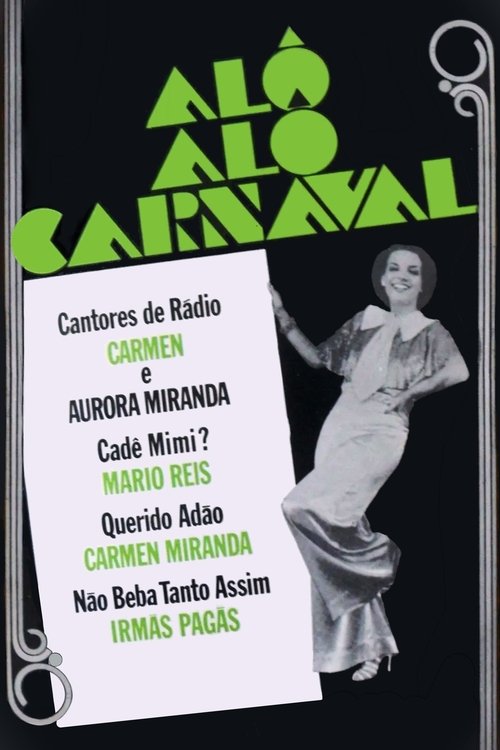
Alô Alô Carnaval
1936
No user ratings available yet
Representation score: 5.7 out of 10
Representation Score
Limited
1966
Director
Aurélio Teixeira
Runtime
111 minutes
Average Rating
No ratings yetNew Showbiz Analysis
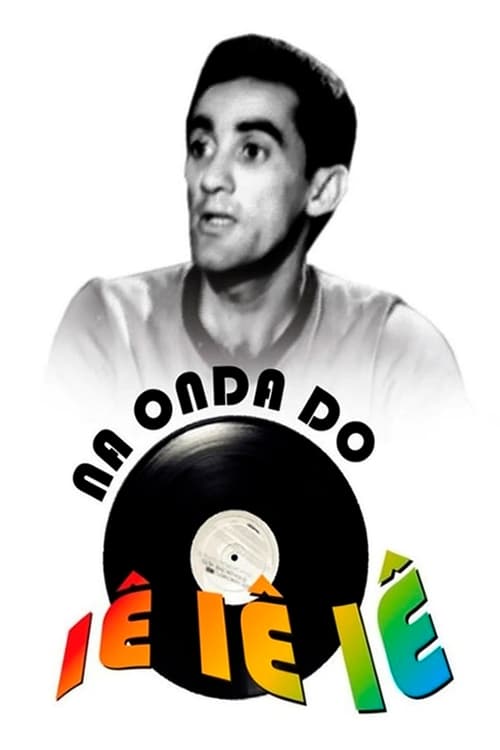
The film opens with the frantic, sun-drenched energy of 1960s Rio, where the Iê-Iê-Iê pop wave serves as the visual and auditory language of modernity. This aesthetic frames the central conflict: a working-class trickster, Didi, and his friends navigate the new social codes to win the affection of a wealthy young woman. The camera treats the pop culture frenzy as a liberating force, contrasting the vibrant, colorful present with the rigidities of the older generation. The sold meaning is that adaptation to Western-influenced pop culture is the key to social mobility and romantic success. The male characters, particularly Renato Aragão’s Didi, succeed not through traditional masculine authority but through charm and cultural literacy. The female lead, Valentina Godoy, is depicted as the modern, fashionable judge whose approval validates the male lead’s transformation. The film’s argument is that the new culture is a meritocratic space where the lower classes can participate in the middle-class sphere. However, the film’s internal logic reinforces traditional gender and racial hierarchies. Women remain objects of desire and judgment, lacking independent agency beyond their romantic choices. The cast is overwhelmingly white, reflecting the era’s social norms without challenging them. The ending resolves the conflict through social integration, rewarding the male lead with romantic success and cultural acceptance. The last image is a harmonious, conventional conclusion that affirms the new pop culture as the desirable, modern standard.
Category Breakdown
The narrative relies exclusively on heterosexual romance and courtship. No same-sex intimacy, queer characters, or non-binary identities appear on screen.
Women function primarily as romantic prizes and judges of male competence. Valentina Godoy’s character is the object of desire whose approval validates the male lead, while the male characters navigate the plot through bumbling physical comedy.
The cast and setting are overwhelmingly white, reflecting the urban middle-class context of 1960s Rio. Non-white characters are absent or relegated to background roles without narrative agency or depth.
The film celebrates the arrival of Western pop culture as a force for modernization. Traditional hierarchies are gently mocked, but the resolution reinforces social integration into the new, consumerist mainstream rather than challenging its underlying structures.
No characters with physical, sensory, or cognitive disabilities are depicted. The narrative focuses on social and romantic dynamics, with no exploration of impairment or accessibility.
Present on Screen
Limited or Absent
Official Synopsis
César wants to be a singer and, with the help of his friends Maloca and Didi, seeks an opportunity on television talent shows. When he performs on Chacrinha's show, he wins all the night's prizes and wins the affection of a young woman from a wealthy family who is dating a con man who steals cars. Realizing the girl has a crush on the singer, the con man sets a trap to get César out of the game.
1936

1967
1962

2024
1969
1958
1969
1967
No reviews yet. Be the first to share your thoughts on this movie!
Use the rating form above to leave a star rating and optional review.