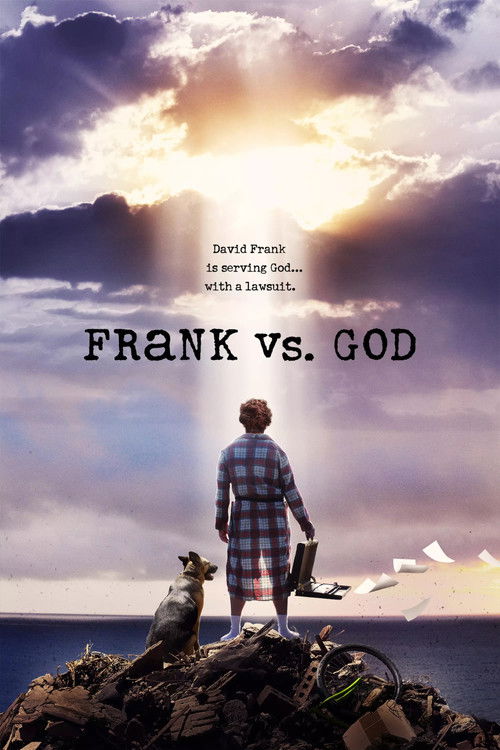
Frank vs. God
2014
No user ratings available yet
Representation score: 4.7 out of 10
Representation Score
Good
1997
RDirector
Daniel Taplitz
Runtime
88 minutes
Average Rating
No ratings yetNew Showbiz Analysis
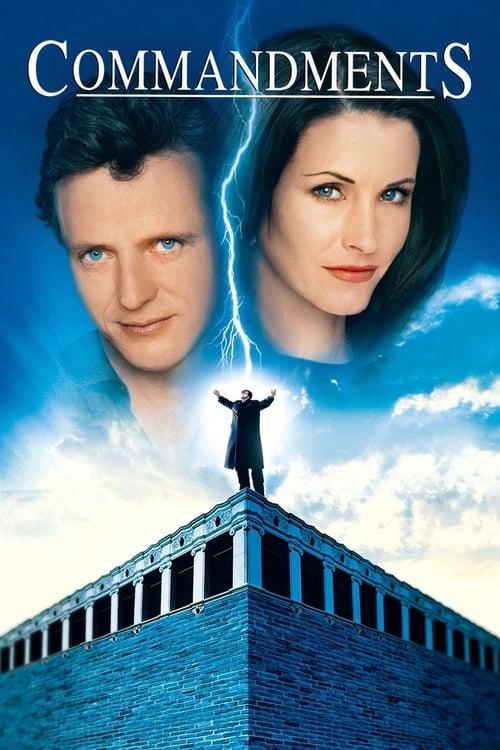
Commandments is a character study of existential rebellion that prioritizes thematic deconstruction over broad social representation. While it effectively challenges religious and moral frameworks, it remains focused on a narrow, male-centric experience of grief. The film's strength lies in its critique of religious institutions. By depicting a direct confrontation with the divine, it moves away from conventional piety toward a more skeptical, relativistic worldview. However, the narrative lacks breadth in its social representation. It does not engage with diverse identities regarding race, gender, or sexual orientation, focusing instead on a singular male perspective.
Category Breakdown
The film centers on a traditional heterosexual relationship between the protagonist and his deceased wife. There are no queer identities or non-straight characters mentioned.
The story focuses on a male protagonist's struggle for control over his life. Female characters are limited to a posthumous role that drives the man's emotional journey.
Set in New York City, the narrative lacks diverse casting or intentional racial blending. It follows a conventional Western dramatic structure centered around a single protagonist.
The film strongly critiques religious authority by showing the protagonist's rebellion against divine laws. It challenges traditional piety through a lens of moral skepticism.
The protagonist experiences profound psychological distress and instability due to grief. However, his mental state seems to serve as a vehicle for existential rebellion rather than a nuanced exploration of mental health.
Present on Screen
Limited or Absent
Official Synopsis
Seth Warner has reached the end of his rope. Ever since his wife died two years earlier, his world has been in turmoil. He is despondent, his career has fallen apart, even his house has been destroyed. There seems to be nothing left for him to live for. Confused and angry after two years of suffering, he finally directs his wrath at God from the rooftop of his apartment building in New York City. In the midst of a wild thunderstorm he demands to know why he has been betrayed by the god he has believed in and honored his whole life. God's answer is to strike down Seth's dog in a bolt of lightning. Pushed beyond his limits, Seth decides to respond to his years of torment by breaking each of the biblical Ten Commandments.
2014

2006
2010

1985
2006

2025
2003

1982
No reviews yet. Be the first to share your thoughts on this movie!
Use the rating form above to leave a star rating and optional review.