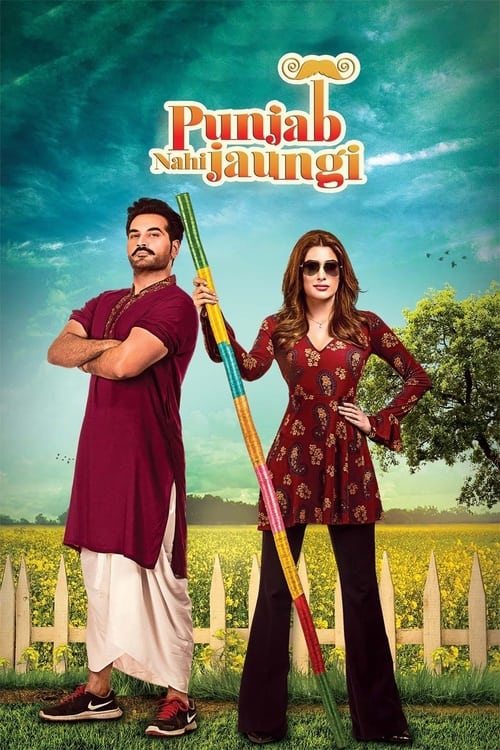
Punjab Nahi Jaungi
2017
No user ratings available yet
Representation score: 3.0 out of 10
Representation Score
Limited
2015
APPROVEDDirector
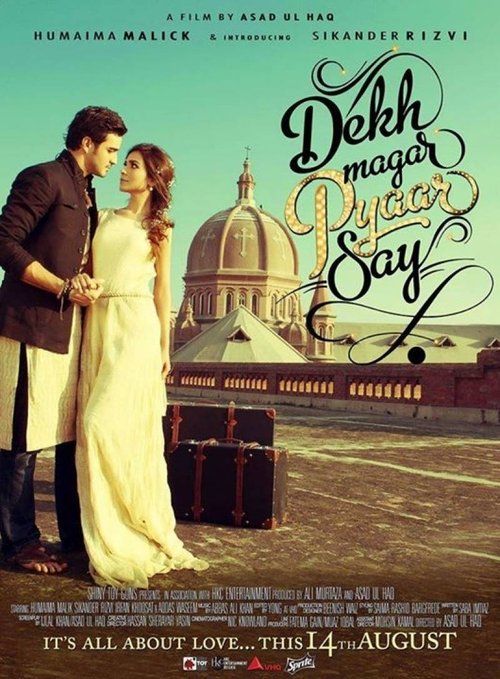
Asad Ul Haq
Runtime
111 minutes
Average Rating
No ratings yetNew Showbiz Analysis
Dekh Magar Pyaar Say follows a traditional romantic comedy format, focusing on the interaction between two distinct social types. The narrative depends on well-known clichés of social mobility and romantic idealization rather than challenging established norms. While the film centers on regional characters, it does not show a clear effort to disrupt social hierarchies. Character development leans on conventional gender and class dynamics typical of the genre. Overall, the film functions as a character-focused romance that adheres to standard cinematic expectations for its demographic and genre.
Category Breakdown
The film focuses on a traditional romantic relationship between Annie and Billa. There is no indication of non-traditional gender identities or challenges to the assumption that everyone is straight or cisgender.
Annie is defined by her inner thoughts and feelings, while Billa is characterized by his outward actions and ambitions. The film does not explicitly challenge traditional gender roles.
As a South Asian production, the film naturally centers non-Western identities. However, it seems to reflect typical regional demographics without showing a blend of diverse ethnicities.
The story examines class differences through a rickshaw driver, but it does not clearly question traditional cultural or religious institutions. It follows standard genre conventions.
There is no information about the inclusion of characters with physical or neurodivergent disabilities.
Present on Screen
Limited or Absent
Official Synopsis
Annie, who lives a life of make-believe, meets Billa, an ambitious and quick-witted rickshaw driver, and an unforgettable journey begins.
2017
2014
2015

2018

2012
2019
2018
2017
No reviews yet. Be the first to share your thoughts on this movie!
Use the rating form above to leave a star rating and optional review.