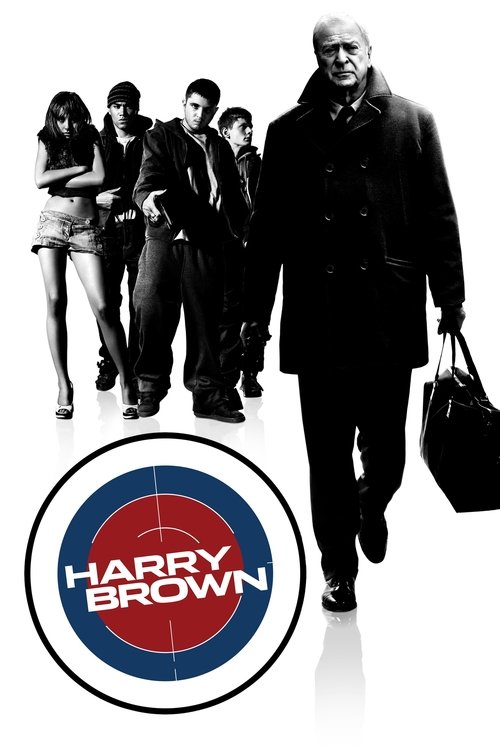
Harry Brown
2009
No user ratings available yet
Representation score: 5.8 out of 10
Representation Score
Limited
2007
RDirector
Nick Love
Runtime
103 minutes
Average Rating
No ratings yetNew Showbiz Analysis
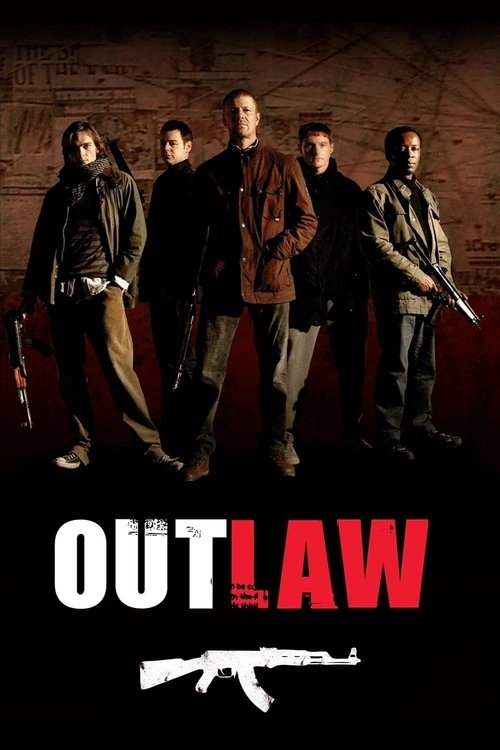
Outlaw is a stylized period piece that emphasizes the aesthetics of 1960s British subculture over broad social representation. The film centers on the conflict between working-class youth and established authorities, using dynamic visuals to portray rebellion. Despite its critique of traditional authority, the film lacks complexity in representing diverse identities. Its narrative focuses on masculine bonding and class struggle, rather than a wide range of human experiences. Ultimately, the film serves as a visceral crime drama. It uses the breakdown of social order as a backdrop for stylized action, rather than as a platform for exploring varied human experiences.
Category Breakdown
The film adheres to a structure that assumes everyone is straight or cisgender. Queer identities and diverse gender expressions are not represented.
The story focuses on male camaraderie and gang hierarchies. Female characters play minor roles and have limited influence over the plot.
The cast is mainly white and working-class, set in 1960s London. The film does not include a diverse cast of ethnicities in key roles.
The film criticizes rigid social structures by portraying the police and government as ineffective institutions. It highlights the era's anti-establishment sentiment through the actions of young rebels.
There is no representation of physical, neurodivergent, or mental health disabilities. Characters are defined by their social status and involvement in criminal activities.
Present on Screen
Limited or Absent
Official Synopsis
A group of people who feel betrayed by their government and let down by their police force form a modern-day outlaw posse in order to right what they see as the wrongs of society.
2009
2012

2016
2014
2009

2009

2009
1998
No reviews yet. Be the first to share your thoughts on this movie!
Use the rating form above to leave a star rating and optional review.