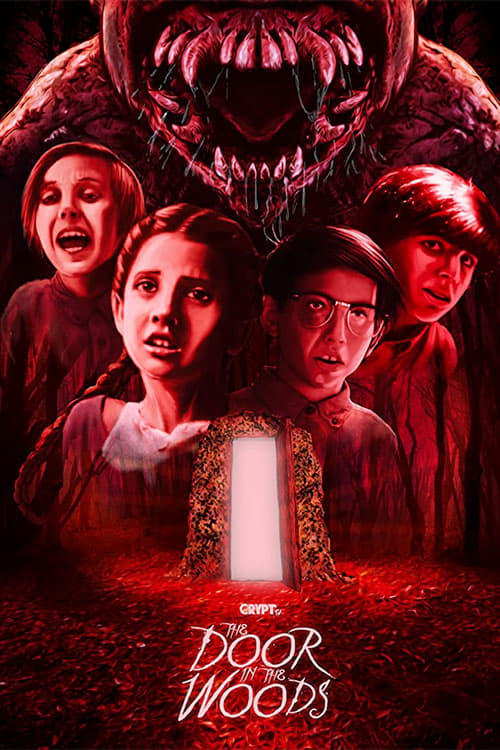
The Door in the Woods
2018
No user ratings available yet
Diversity score: 2.4 out of 10
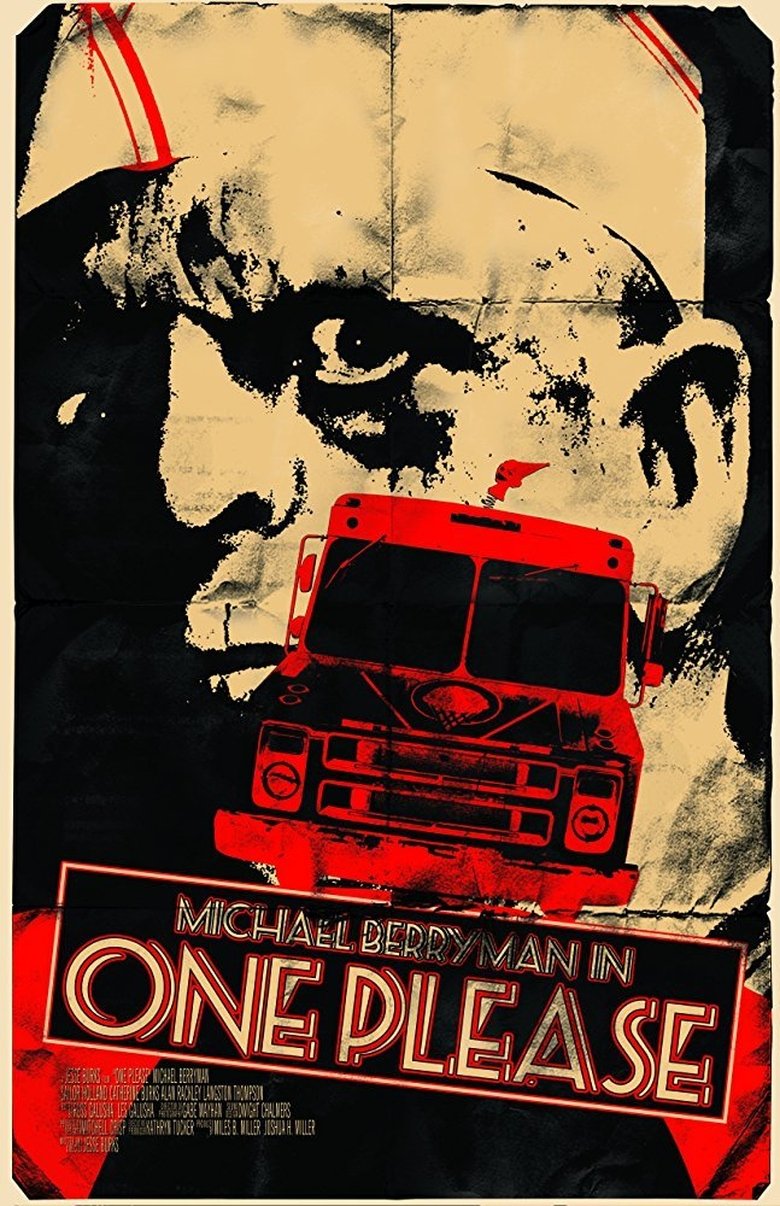
2014
Director
Jesse Burks
Runtime
7 minutes
Average Rating
No ratings yetSynopsis
Parents will do anything for their children.
Overall Score
Limited
Category Breakdown
LGBTQ+ Representation
The film lacks any evidence of non-heteronormative identities. There are no narratives present that critique heteronormativity.
Gender Representation
The premise centers on parenthood, a role often tied to established familial structures. While female actors are in the cast, the film does not appear to subvert gender hierarchies.
Racial & Ethnic Diversity
The top-billed cast shows some diversity, including Langston Thompson and Michael Berryman. However, there is no indication of a non-white majority or characters of color with explicit narrative agency.
Religious & Cultural Diversity
The focus on parental protection reinforces traditional Western values regarding the domestic sphere. The narrative appears to uphold, rather than critique, these conventional institutions.
Disability Representation
There is no information available regarding neurodivergence, physical disabilities, or mental health conditions within the film.
Strengths
Areas for Improvement
AI Analysis
One Please is a horror film that leans heavily into traditional genre archetypes. Its central theme of parental instinct suggests a narrative focused on the preservation of the family unit rather than the disruption of social hierarchies. The film operates within standard industry patterns. While the cast includes a diverse group of actors, the story itself does not appear to utilize these identities to challenge systemic power dynamics or social norms. Ultimately, the film prioritizes conventional familial bonds. It lacks the intersectional character agency or thematic subversion required to move beyond a standard, non-subversive approach to storytelling.
2018

2013
2016
2022

2013

2019

2011
2005

2018

2005
2007

2018
No reviews yet. Be the first to share your thoughts on this movie!
Use the rating form above to leave a star rating and optional review.