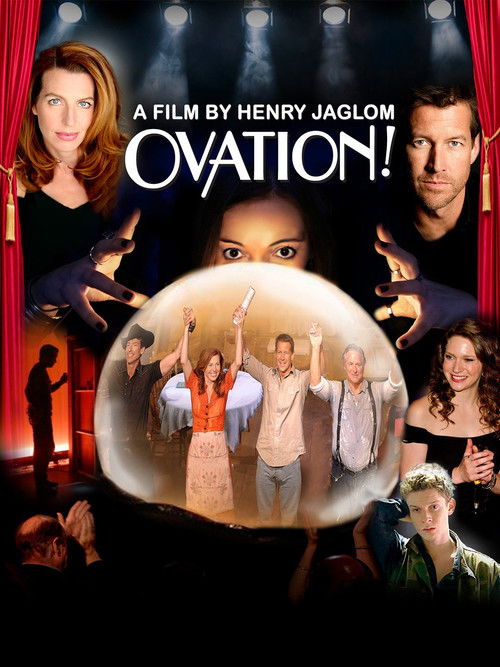
Ovation
2016
No user ratings available yet
Representation score: 4.7 out of 10
Representation Score
Good
2010
RDirector
Henry Jaglom
Runtime
120 minutes
Average Rating
No ratings yetNew Showbiz Analysis
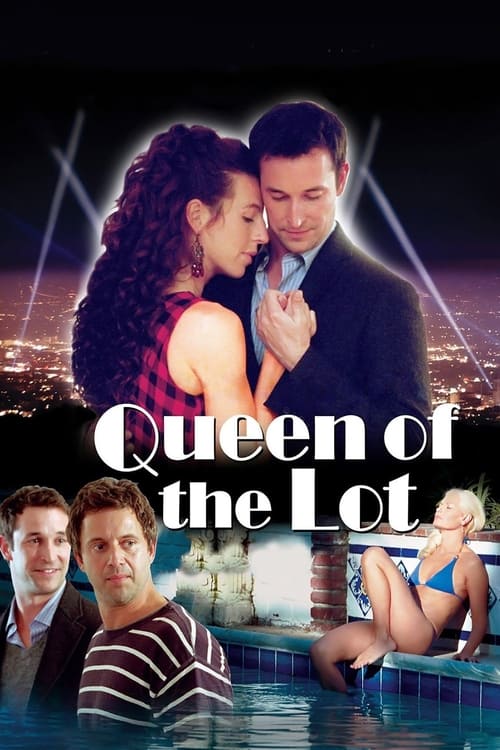
Queen of the Lot primarily functions as a character study focused on individual ability to act. By placing a woman at the center of her own journey, the film avoids many traditional stereotypes of female passivity found in mainstream cinema. However, the film lacks clear evidence of diverse representation. There is no indication of LGBTQ+ themes or diverse racial representation within the provided narrative context, which narrows its social scope. Ultimately, the film's strength lies in its exploration of personal autonomy and the deconstruction of social hierarchies, prioritizing these themes over formulaic storytelling.
Category Breakdown
The film does not include any explicit LGBTQ+ characters or relationships that go beyond traditional heterosexual dynamics. The story centers around Maggie Chase's pursuit of love within a conventional romantic framework.
Maggie Chase is portrayed as a strong female protagonist who drives her own story. Her ambition and determination to overcome legal obstacles highlight her active role in the narrative, challenging the passive stereotype of women in films.
The film does not provide specific information about the racial makeup of the cast. The story focuses on Maggie's journey from Iowa and does not offer any evidence of diverse racial or ethnic representation.
The story critiques traditional hierarchies by showing Maggie's struggle to break free from the B-list. It also presents a moral relativism by depicting legal surveillance as a barrier rather than a moral issue.
There is no explicit mention of physical or neurodivergent disabilities. However, the theme of house arrest touches on the experience of navigating systemic restrictions on bodily autonomy and movement.
Present on Screen
Limited or Absent
Official Synopsis
An electronic ankle bracelet and being under house arrest aren't about to stop up-and-coming actress Maggie Chase (Tanna Frederick) from the two things she craves the most: real fame and true love. With more "Google points" than her Iowa hometown, but far less than Angelina Jolie, Maggie is desperate to claw her way off the B-list of action/adventure pictures and into major movie stardom.
2016

1995
2016
2004

2015
2020
2007

2000
No reviews yet. Be the first to share your thoughts on this movie!
Use the rating form above to leave a star rating and optional review.