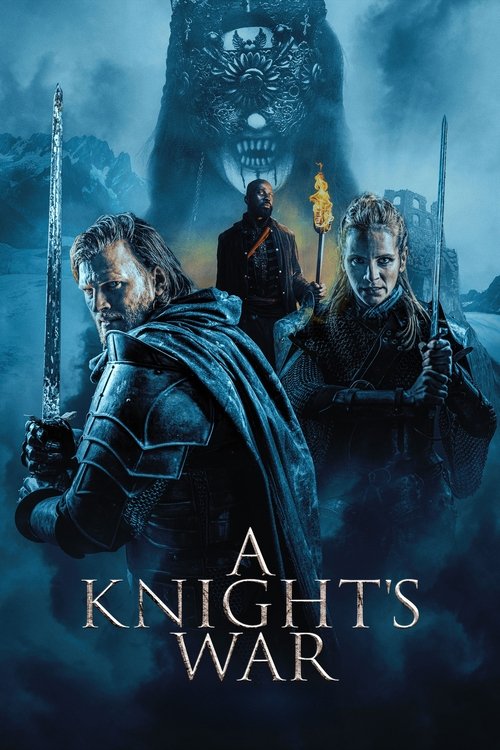
A Knight's War
2025
No user ratings available yet
Representation score: 2.4 out of 10
Representation Score
Fair
2025
RDirector
Paul W. S. Anderson
Runtime
101 minutes
Average Rating
No ratings yetNew Showbiz Analysis
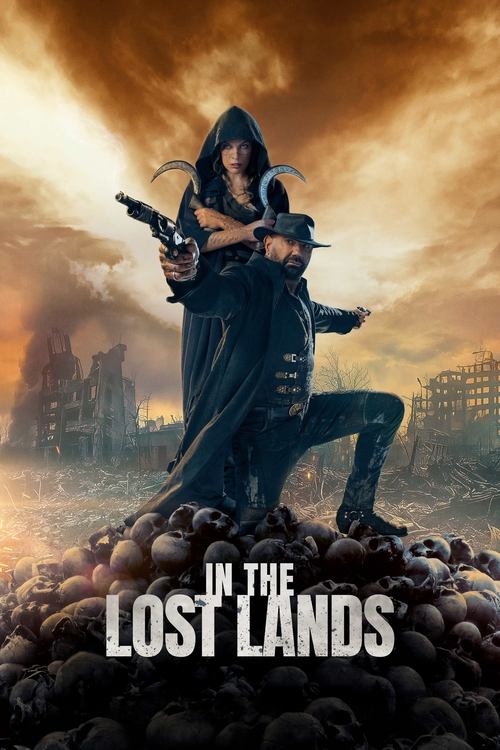
In the Lost Lands centers on Gray Alys, a powerful sorceress who challenges traditional fantasy clichés by taking a leading role in the narrative. She drives the story with significant magical abilities, surpassing her male counterparts. However, the partnership with Boyce relies on conventional gender roles, where he provides physical protection and navigation. This dynamic prevents the film from achieving full egalitarianism. The film's cultural framing remains traditional, lacking depth in addressing systemic hierarchies.
Category Breakdown
The film does not include any LGBTQ+ representation, focusing solely on heterosexual relationships. It lacks same-sex intimacy or non-cisgender identities, reflecting a traditional storytelling approach.
Gray Alys plays a significant role in driving the story, challenging the passive female stereotype. However, her partnership with Boyce relies on traditional gender roles, where he provides physical protection, suggesting a complementary rather than fully egalitarian dynamic.
Amara Okereke provides Black representation in a genre often dominated by white casts. However, the majority of the cast remains white, and this diversity feels additive rather than integral to the world-building or narrative.
The film frames conflict against a religious institution in a Western context, presenting a standard good-vs-evil dichotomy. This critique lacks depth regarding systemic oppression, presenting a traditional perspective without nuanced deconstruction.
Representation of disabilities is minimal, with a blind old woman serving primarily as a plot device. The portrayal lacks real depth and does not challenge stereotypes, resulting in a lower-tier engagement with disability.
Present on Screen
Limited or Absent
Official Synopsis
A queen sends the powerful and feared sorceress Gray Alys to the ghostly wilderness of the Lost Lands in search of a magical power, where she and her guide, the drifter Boyce, must outwit and outfight both man and demon.
2025
2021
2020

2020
2024
2013
2025
2025
No reviews yet. Be the first to share your thoughts on this movie!
Use the rating form above to leave a star rating and optional review.