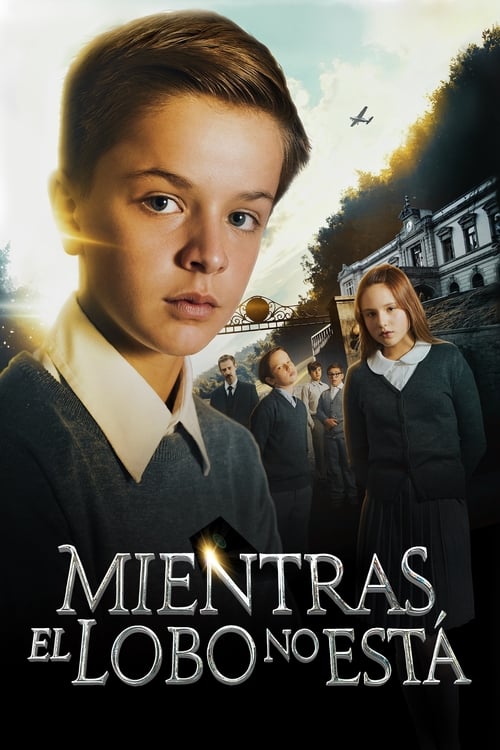
While the Wolf's Away
2017
No user ratings available yet
Representation score: 5.2 out of 10
Representation Score
Good
2016
Director
Andrea De Sica
Runtime
90 minutes
Average Rating
No ratings yetNew Showbiz Analysis
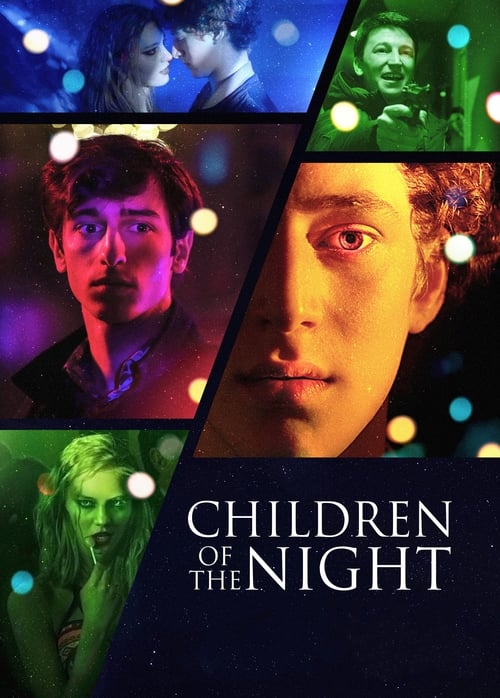
Children of the Night is a character-driven drama that prioritizes the deconstruction of institutional authority over broad demographic representation. The film finds its strength in challenging social hierarchies and exploring the actions of youth against restrictive systems. While the narrative offers a sophisticated critique of class and traditional Western structures, it lacks significant representation of multiple aspects of identity. The focus remains largely on the experiences of a homogeneous, ultra-privileged European group. Ultimately, the film succeeds as a study of adolescent autonomy and the disruption of social norms, even if it misses opportunities for broader ethnic and physical diversity.
Category Breakdown
Giulio and Eduardo's bond suggests a move away from the assumption that everyone is straight or cisgender. Their shared secrecy and mutual desire to escape create an intimate connection that challenges typical friendships.
The film critiques strict masculinity by focusing on 'troubled' boys in a male-dominated environment. Elena serves as a complex catalyst for the boys' loss of innocence rather than a minor figure.
The story focuses on a homogeneous European cast within the Italian Alps. There is no indication of diverse ethnic casting or the subversion of European norms.
The story offers a progressive critique of traditional Western institutions. It prioritizes individual freedom and anti-institutionalism over preserving established social hierarchies and morality.
The classification of students as 'troubled' hints at psychological struggle or neurodivergence. However, it is unclear if these traits are portrayed with nuance or used merely as plot devices.
Present on Screen
Limited or Absent
Official Synopsis
Somewhere in the bleak Italian Alps is an isolated boarding school for troubled boys of the ultra privileged. 17-year old Giulio is sent there by his mother and finds himself instantly at odds with both his peers and the staff until the arrival of the eccentric Eduordo. The pair bond over their mutual desire for escape, which they eventually do, and run away to a nightclub in the middle of the woods. There they meet Elena, a young prostitute whose destiny will be unforgettably linked to theirs. For the boys, the night is full of freedom, disturbing experiences, and secrets. But what they discover about their experiences, and their school, may be the biggest secret of all.
2017

2014
2004

2013
2007

2013

2024

1979
No reviews yet. Be the first to share your thoughts on this movie!
Use the rating form above to leave a star rating and optional review.