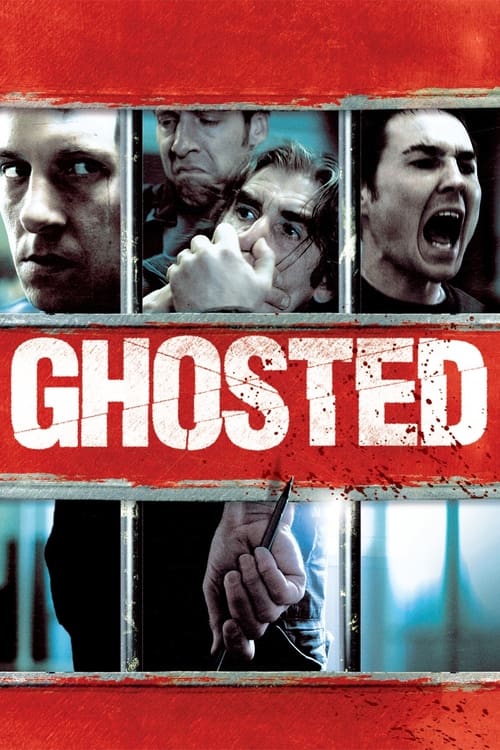
Ghosted
2011
No user ratings available yet
Representation score: 3.1 out of 10

Representation Score
Fair
2014
Not RatedDirector
Antony Petrou
Runtime
85 minutes
Average Rating
No ratings yetNew Showbiz Analysis
We Are Monster serves as a strong social commentary on the failures within the UK penal system. By dramatizing the murder of Zahid Mubarek, the film prioritizes a critique of racial violence and institutional negligence over traditional escapism. The narrative’s strength lies in its unflinching examination of how racial animus and institutional incompetence intersect. It shifts away from a Western-centric view of state stability to highlight the vulnerability of underrepresented individuals within state-run facilities. However, the film’s scope is limited, focusing primarily on masculine violence and racial conflict, leaving little room for exploring LGBTQ+ identities or gender subversion.
Category Breakdown
The film does not depict LGBTQ+ identities or relationships outside of traditional heterosexual norms. The story focuses on the intersection of racial and ideological conflicts.
The story centers on male-dominated environments and the dynamics of masculine violence. It examines the breakdown of traditional masculine control within the prison system.
The central conflict revolves around a racialized power dynamic between a racist character and Zahid Mubarek. It challenges conventional narratives by focusing on the victimization of a person of color.
The film critiques Western institutions by presenting a key event as a result of institutional neglect and racial prejudice. It portrays state institutions as flawed.
There is no specific information about the portrayal of physical or neurodivergent disabilities in the narrative.
Present on Screen
Limited or Absent
Official Synopsis
On 8th February 2000 at Feltham Young Offenders Institute, Robert Stewart, a known violent racist was placed in a cell with Zahid Mubarek, eventually leading to Mubarek's murder 6 weeks later.
2011

1979

2022

2006
2011

1983
1995

2021
No reviews yet. Be the first to share your thoughts on this movie!
Use the rating form above to leave a star rating and optional review.