WWE Royal Rumble 1988
1988
No user ratings available yet
Diversity score: 1.6 out of 10

1989
PGDirector
Vince McMahon
Runtime
154 minutes
Average Rating
No ratings yetSynopsis
The 1989 WWE Royal Rumble was the second annual Royal Rumble professional wrestling event produced by the World Wrestling Federation, and the first one to be held on pay-per-view. It took place on January 15, 1989 at The Summit in Houston, Texas. The main event was the 1989 Royal Rumble match won by Big John Studd, who last eliminated Ted DiBiase to win the match. Featured matches on the undercard were Jim Duggan and The Hart Foundation versus Dino Bravo and The Fabulous Rougeau Brothers, Rockin' Robin versus Judy Martin for the WWE Women's Championship and "King" Haku versus Harley Race.
Overall Score
Minimal
Category Breakdown
LGBTQ+ Representation
The broadcast lacks any visible presence of LGBTQ+ characters or narratives. It adheres strictly to the heteronormative social standards of the late 1980s.
Gender Representation
The narrative is overwhelmingly male-centric, focusing almost exclusively on male physical competition. While a Women’s Championship match is featured, female agency remains on the periphery.
Racial & Ethnic Diversity
The roster displays a moderate level of ethnic variety typical of the era. However, casting often relies on established ethnic personas rather than nuanced character development.
Religious & Cultural Diversity
The event promotes a binary moral framework of heroes versus villains. It celebrates capitalist sports-entertainment spectacle rather than deconstructing Western institutions or social norms.
Disability Representation
There is no documented representation of physical, sensory, or neurodivergent individuals within the active roster or the broadcasted narrative.
Strengths
Areas for Improvement
AI Analysis
WWE Royal Rumble 1989 functions as a historical artifact of traditionalist sports-entertainment. The production prioritizes rigid hierarchies and conventional archetypes, reinforcing conservative social structures through its presentation of heroism and villainy. The event's architecture is built upon masculine dominance and a binary moral compass. While the roster provides a baseline of ethnic variety, it lacks the intentionality needed to challenge or subvert systemic power dynamics or intersectional identities.
1988
1995
1992
1994
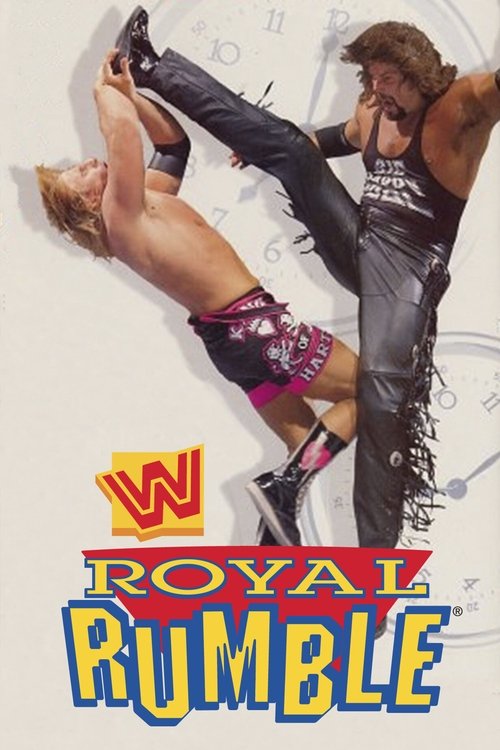
1996
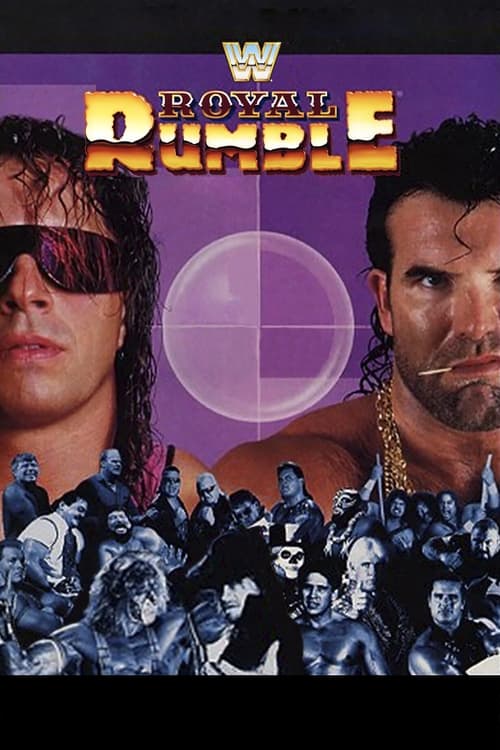
1993
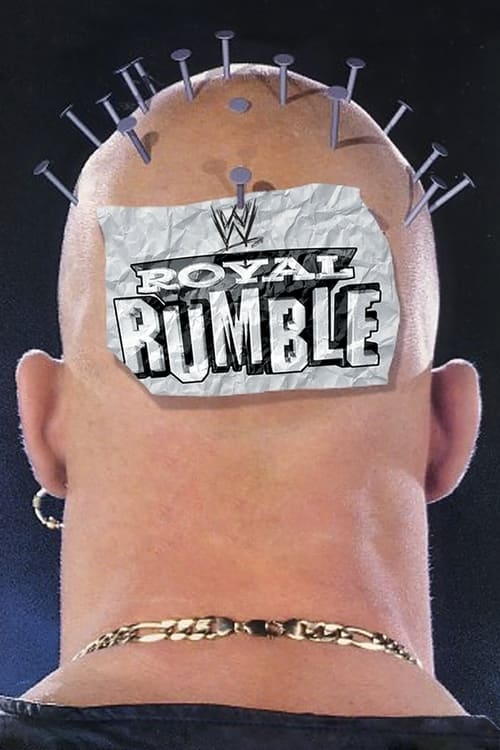
1998
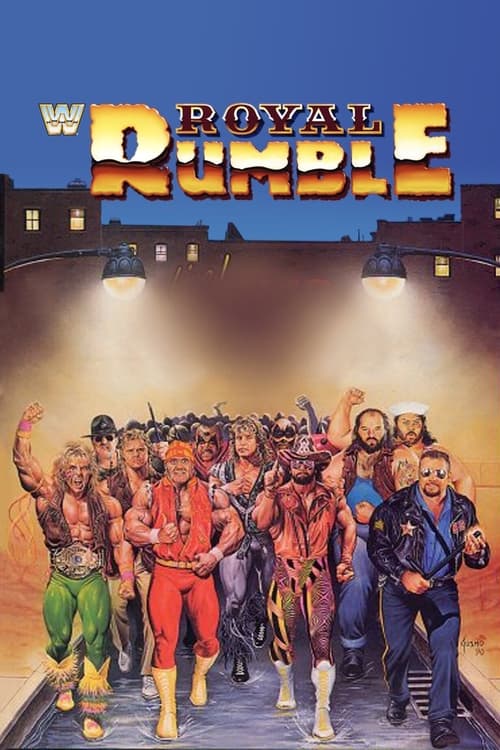
1991
1999

2021
2023
1997
No reviews yet. Be the first to share your thoughts on this movie!
Use the rating form above to leave a star rating and optional review.