
Happily Ever After
2004
No user ratings available yet
Representation score: 3.7 out of 10
Representation Score
Fair
2004
RDirector
Wallace Wolodarsky
Runtime
90 minutes
Average Rating
No ratings yetNew Showbiz Analysis
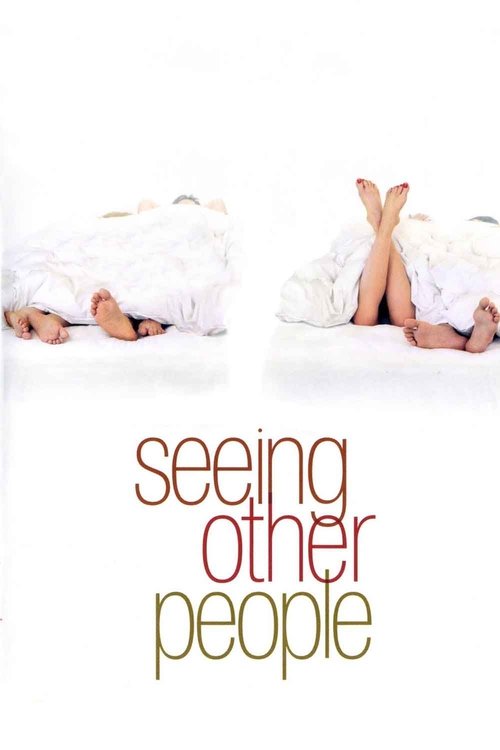
Seeing Other People functions as a moderately progressive text by questioning the sanctity of the traditional marital unit. It prioritizes individual sexual ability to act and situational ethics over institutional stability. The film's strength lies in its challenge of traditional gender roles and its exploration of interpersonal power dynamics. By centering the plot on the female protagonist's role, it disrupts conventional domestic roles. However, the film operates within a narrow demographic scope. It lacks significant racial and LGBTQ+ diversity, focusing primarily on a specific socioeconomic niche.
Category Breakdown
The story focuses on a heterosexual couple exploring non-traditional relationship structures. There are no significant LGBTQ+ character arcs or non-cisgender identities driving the plot.
Alice’s desire for sexual autonomy challenges traditional gender hierarchies and patriarchal expectations. The film places the male lead in a position of reluctant negotiation, disrupting typical gender roles.
The film depicts a relatively homogeneous, middle-class urban social circle. There is a lack of significant racial diversity or non-Anglo-Saxon representation.
The narrative critiques the rigidity of traditional Western marriage through a lens of moral relativism. It frames the breakdown of commitment as a complex evolution of intimacy.
There is no discernible inclusion of characters with physical or neurodivergent disabilities.
Present on Screen
Limited or Absent
Official Synopsis
Ed and Alice are two months shy of getting married when she realizes that she wishes she'd had a more active love life while still single. Reluctantly, Ed agrees to have an open relationship in the months before their wedding, and initially this seems to improve their connection, particularly in the bedroom. However, as Ed and Alice get more involved in their own flings, the experiment goes awry.
2004

2013
2002
2004
2009
2006

2010

2015
No reviews yet. Be the first to share your thoughts on this movie!
Use the rating form above to leave a star rating and optional review.