Charleston
1974
No user ratings available yet
Representation score: 2.1 out of 10
Representation Score
Minimal
1973
PGDirector
Enzo Barboni
Runtime
118 minutes
Average Rating
No ratings yetNew Showbiz Analysis
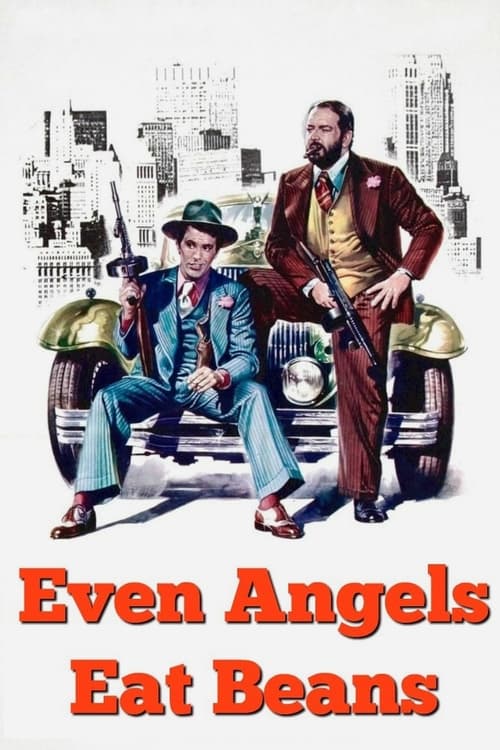
Even Angels Eat Beans functions as a traditional genre piece centered on situational comedy. The plot relies on archetypal character dynamics and the cliché of two mismatched buddies mistaken for mob enforcers. This focus suggests a narrative built on slapstick and physical prowess rather than social commentary. The film lacks evidence of diverse representation or the subversion of social hierarchies. By leaning into established crime and comedy clichés, it does not challenge systemic power dynamics or provide progressive narrative structure. Ultimately, the film prioritizes entertainment through genre conventions. Without specific details on casting or character arcs, the work remains a standard example of its era's action-comedy style.
Category Breakdown
The film does not include any LGBTQ+ characters or narratives. It does not engage with non-straight relationships or identities.
The story revolves around two mismatched male buddies, emphasizing traditional masculine-driven action-comedy clichés over diverse gender perspectives.
Set in Depression-era America, the film's racial landscape remains unclear. There is no indication of ethnic diversity or specific character roles related to race.
The story centers on survival and individualistic struggle during the Great Depression. It follows standard genre conventions rather than offering cultural critiques.
There is no information available regarding the depiction of physical or neurodivergent characters in this production.
Present on Screen
Limited or Absent
Official Synopsis
Two mismatched buddies are mistaken for mob enforcers in Depression-era America.
1974
1977
1964
1973

1995
1972
1966
1986
No reviews yet. Be the first to share your thoughts on this movie!
Use the rating form above to leave a star rating and optional review.