
The Mistress
1976
No user ratings available yet
Diversity score: 4.1 out of 10

1980
Director
Fernando Trueba
Runtime
94 minutes
Average Rating
No ratings yetSynopsis
Matias meets Violeta, his cousin one morning in Madrid at the Plaza de Opera. He is twenty-five. She is 18. He's a divorced journalist trying to write a thriller. She studies violin. She's a vegetarian. He loves meat. Many things separate them, but he moves into her apartment.
Overall Score
Fair
Category Breakdown
LGBTQ+ Representation
The film focuses on the romantic entanglements of a bohemian circle. It lacks explicit LGBTQ+ characters or non-cisnormative identities driving the plot, adhering to conventional romantic structures.
Gender Representation
Violeta serves as a central figure with her own artistic discipline and lifestyle. This avoids submissive tropes, offering a subtle subversion of traditional domestic hierarchies through her intellectual agency.
Racial & Ethnic Diversity
The cast is predominantly white and European, reflecting the specific socioeconomic milieu of the Madrid bourgeoisie. The narrative does not actively seek to diversify the ethnic composition of its central cast.
Religious & Cultural Diversity
The story portrays a shift from traditionalism to modernity through secular, artistic pursuits. It frames bohemian lifestyles as a form of cultural liberation against rigid institutional frameworks.
Disability Representation
There is no discernible evidence regarding the portrayal of physical or neurodivergent disabilities within the narrative.
Strengths
Areas for Improvement
AI Analysis
Ópera prima captures a specific moment in the Spanish Transition, focusing on the intellectual and bohemian shifts of post-dictatorship Madrid. The film succeeds in portraying a move toward modern, secular values through its characters' personal expressions and artistic pursuits. However, the film is limited by its narrow focus on a homogeneous socioeconomic class. The cast remains largely ethnically uniform, reflecting the social constraints of the era rather than challenging them. While gender dynamics show signs of subversion through Violeta's character, the lack of LGBTQ+ visibility and racial diversity keeps the overall representation within a traditional, albeit transitioning, framework.
1976
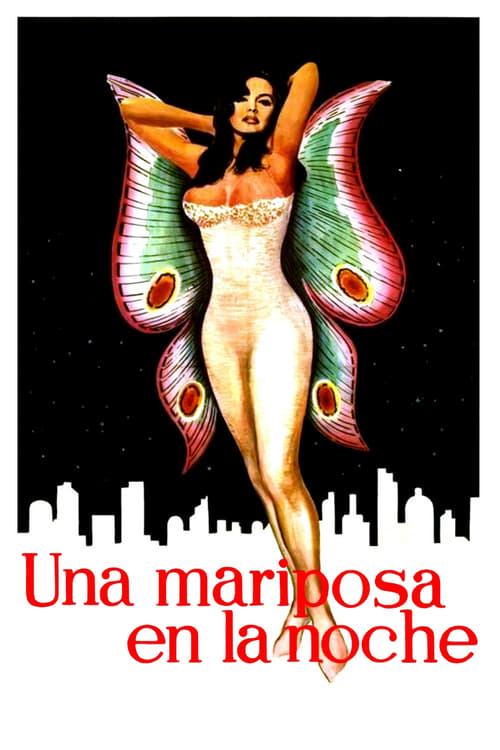
1976
2024

2022
2008
2006

1996
2003
1993
1988
2004

1993
No reviews yet. Be the first to share your thoughts on this movie!
Use the rating form above to leave a star rating and optional review.