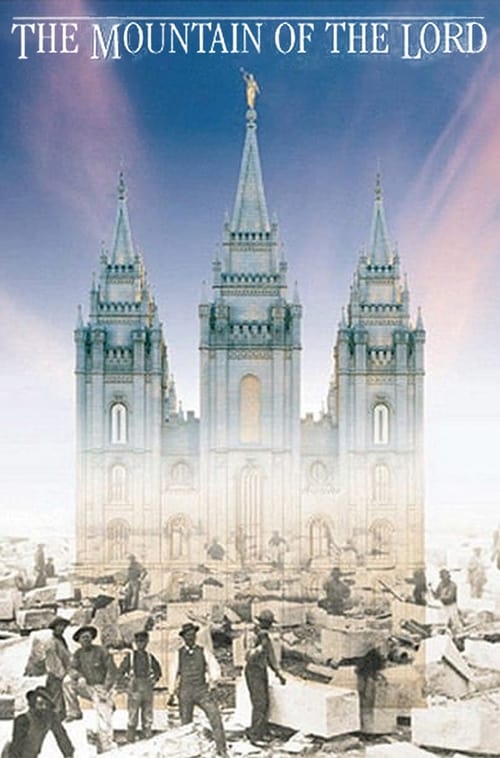
The Mountain of the Lord
1993
No user ratings available yet
Diversity score: 1.9 out of 10
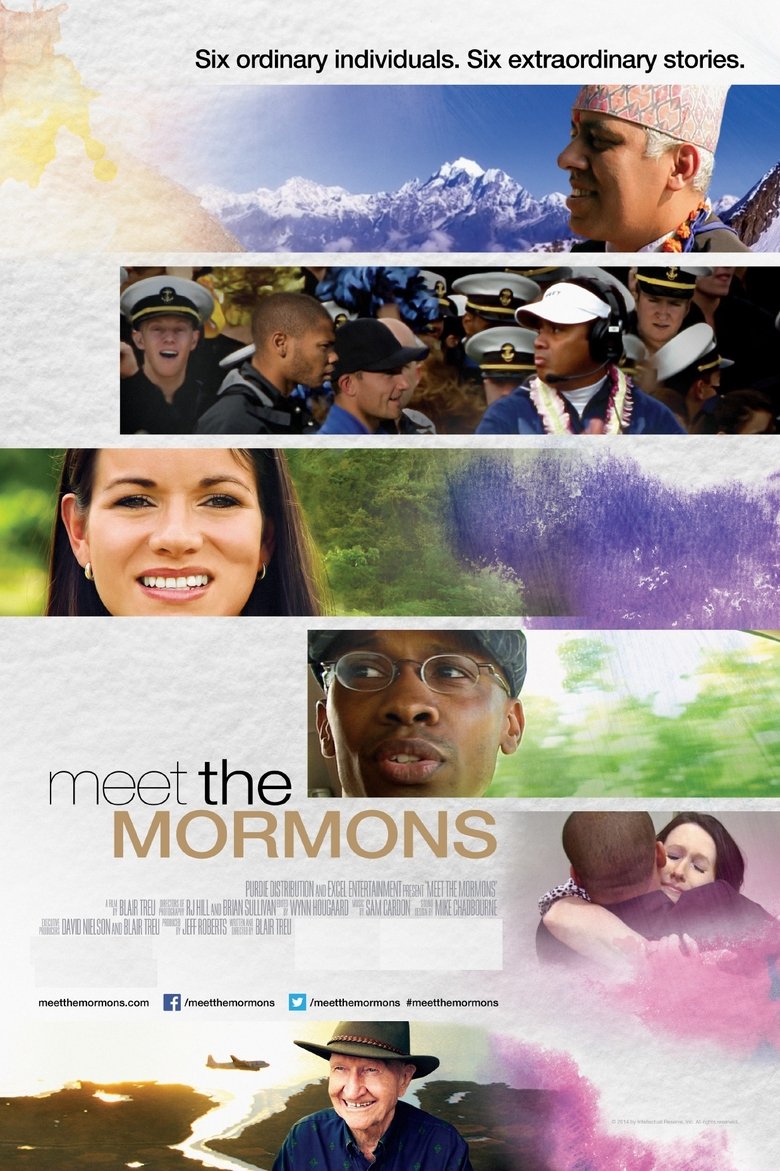
2014
PGDirector
Blair Treu
Runtime
78 minutes
Average Rating
No ratings yetSynopsis
Meet the Mormons examines the very diverse lives of six devout Mormons. Filmed on location and across the globe, Meet the Mormons takes viewers on a journey into the day-to-day realities of individuals living in the U.S., Costa Rica, Nepal and beyond. From their individual passions to their daily struggles, each story paints a picture as rich and unique as the next while challenging the stereotypes that surround the Mormon faith.
Overall Score
Limited
Category Breakdown
LGBTQ+ Representation
The film centers on traditional religious doctrine and reinforces the heteronormative family unit. It offers no space for queer identities or the subversion of traditional sexual orientations.
Gender Representation
Character arcs emphasize traditional gender hierarchies and religious roles. Women are often portrayed through domestic stability, while men are depicted in leadership or provider roles.
Racial & Ethnic Diversity
The documentary showcases a global reach by featuring subjects from the United States, Costa Rica, and Nepal. This multi-ethnic cast successfully challenges the stereotype of the faith as an Anglo-Saxon monolith.
Religious & Cultural Diversity
The narrative functions as a defense of traditional religious institutions and Western morality. It emphasizes the sanctity of the nuclear family and religious authority as primary sources of purpose.
Disability Representation
There is no significant evidence regarding the portrayal of visible or invisible disabilities. The focus remains on faith and personal biography rather than neurodivergence or physical disability.
Strengths
Areas for Improvement
AI Analysis
Meet the Mormons succeeds in presenting a globalized view of its subject matter, effectively using a multi-ethnic cast to demonstrate the faith's international presence. By including participants from Nepal, Costa Rica, and the U.S., the film breaks the perception of the religion as a strictly Anglo-Saxon institution. However, this ethnic breadth is offset by a rigid adherence to traditional social structures. The film's narrative architecture is designed to reinforce established religious, gender, and familial norms rather than challenge them. It prioritizes the preservation of heteronormative and patriarchal hierarchies. Ultimately, the documentary serves as a testimonial for institutional stability. While it achieves moderate success in racial representation, it lacks progressive depth in gender, LGBTQ+, and cultural subversion.
No reviews yet. Be the first to share your thoughts on this movie!
Use the rating form above to leave a star rating and optional review.