
Two Sons of Francisco
2005
No user ratings available yet
Representation score: 3.8 out of 10
Representation Score
Fair
2012
Director
Breno Silveira
Runtime
120 minutes
Average Rating
No ratings yetNew Showbiz Analysis
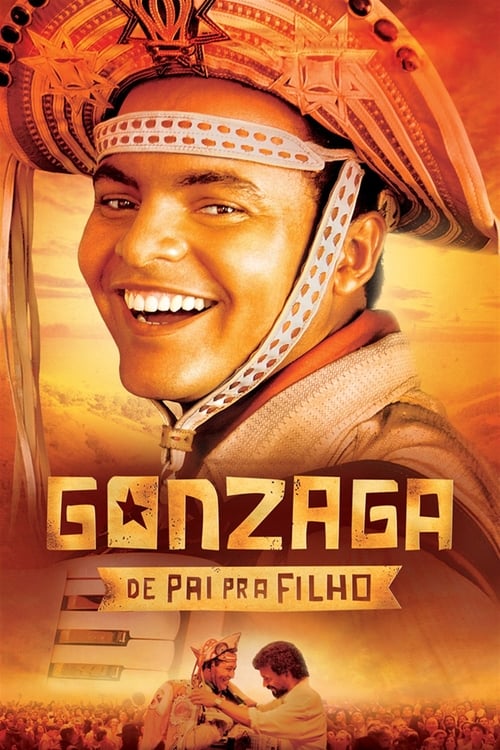
Gonzaga: From Father to Son is a social drama that dismantles traditional notions of success. It goes beyond a straightforward biography to explore the tension between personal ambition and societal structures. The film offers a genuine look at regional and class-based identities in Brazil. By focusing on migration from the Northeast to urban centers, it provides a nuanced perspective on the country's social landscape. However, the film remains tied to conventional structures. It relies on traditional romantic clichés and does not challenge gender hierarchies or include diverse gender identities.
Category Breakdown
The film adheres to a traditional heterosexual framework. It focuses on the romantic relationship between Luiz Gonzaga and Odaleia, emphasizing a patriarchal family structure.
The story examines the emotional constraints of traditional masculinity. It questions the 'successful provider' stereotype by highlighting how career ambitions can lead to personal isolation and family breakdown.
The film explores migration from the rural Northeast to Rio, delving into ethnic and regional identities. It challenges Eurocentric narratives by highlighting a key figure in the Brazilian working class.
The movie critiques the 'success at any cost' mentality by portraying professional achievements as a cause of family breakdown. It balances individual economic success against domestic harmony.
There is no significant depiction of physical or neurodivergent disabilities in the film.
Present on Screen
Limited or Absent
Official Synopsis
Luiz Gonzaga decides to change his destiny and leaves his childhood home for the big city to overcome a romance. When he arrives, he meets a woman he falls in love with, the Odaleia (Nanda Costa). After the birth of his son and his wife's health complications, he decides to return to the road to ensure a better future for his son. He has a friend in Rio de Janeiro and with him leaves the little one and heads to Brazil. He didn't imagine that this distance between them would develop into a complicated relationship, enhanced by the strong personalities of both. Based on conversations between father and son, this is the story of Luiz Gonzaga, a singer and accordion player known as Rei do Baião or Gonzagão.
2005
2014

2021

2017
2025

2015

2007

2023
No reviews yet. Be the first to share your thoughts on this movie!
Use the rating form above to leave a star rating and optional review.