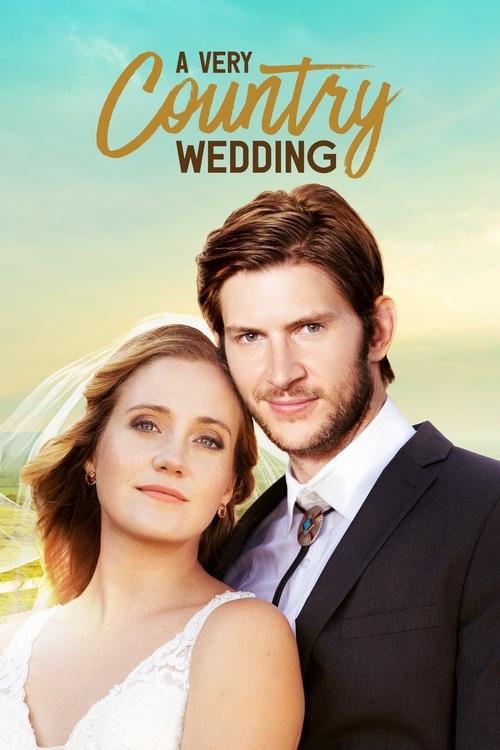
A Very Country Wedding
2019
No user ratings available yet
Diversity score: 3.0 out of 10

2018
TV-GDirector
David Weaver
Runtime
90 minutes
Average Rating
No ratings yetSynopsis
It’s a full Valentine’s Day weekend at the Inn when Olivia and Mick host Mick’s sister Bonnie and her finance Sean, Mick’s daughter Julie and her boyfriend Wyatt, and Olivia’s mother Nora and her boyfriend Johnny. Bonnie brings her new fiancé Sean, and they plan to marry at the Inn that weekend, and Julie announces she plans to drop out of college to pursue her passion for cooking. While Olivia plans the wedding, Mick expresses his concerns to both Bonnie about the distant Sean, and to Julie about dropping out of college. Wyatt, too, is troubled by Julie’s decision to leave college, and the two have a fight that may end their relationship. As the wedding approaches, Sean reveals a secret that he has been keeping all weekend, and Johnny has a surprise of his own in store.
Overall Score
Limited
Category Breakdown
LGBTQ+ Representation
The film focuses exclusively on heteronormative romantic pairings. There is no evidence of queer narratives or non-cisnormative identities within the story.
Gender Representation
Women drive the emotional plot through wedding planning and career decisions. However, male characters often act as voices of concern, maintaining conventional gendered hierarchies.
Racial & Ethnic Diversity
The narrative suggests a homogeneous social environment. It lacks indicators of a non-Anglo-Saxon majority cast, adhering to standard Western middle-class tropes.
Religious & Cultural Diversity
The story celebrates traditional Western institutions like marriage and the nuclear family. It reinforces social stability rather than offering subversive or secular perspectives.
Disability Representation
There is no mention of characters with visible or invisible disabilities. The narrative does not include neurodivergent or chronic health storylines.
Strengths
Areas for Improvement
AI Analysis
The film operates as a conventional genre piece that prioritizes domestic stability and predictable romantic resolutions. It adheres strictly to established cinematic norms for the romance genre, offering little in the way of social disruption. By focusing on traditional family milestones and heteronormative structures, the movie reinforces existing social hierarchies. It avoids intersectional complexities in favor of a safe, familiar portrayal of Western life. Ultimately, the lack of intentionality regarding diverse identities results in a narrative that feels homogeneous and traditional.
2019
2018
2017
2016
2016
2019
2019
2021

2019
2017

2024
2023
No reviews yet. Be the first to share your thoughts on this movie!
Use the rating form above to leave a star rating and optional review.