The Drop
1966
No user ratings available yet
Diversity score: 0.0 out of 10
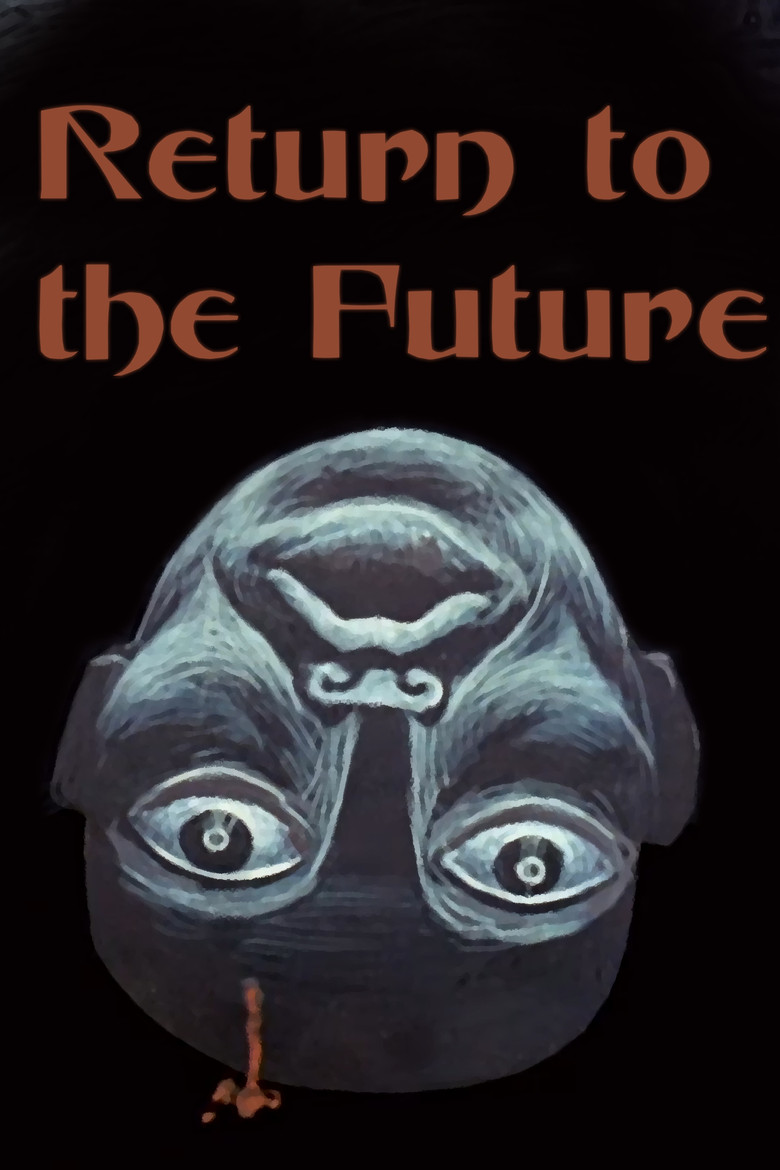
1971
Director
Sabin Bălașa
Runtime
11 minutes
Average Rating
No ratings yetSynopsis
1971 Animation by Sabin Balasa
Overall Score
Limited
Category Breakdown
LGBTQ+ Representation
The film lacks evidence of non-cisnormative gender identities or same-sex intimacy. The narrative appears to adhere to the traditional social structures typical of 1971 animation.
Gender Representation
Character dynamics likely rely on traditional gender roles. There is no indication of women demonstrating agency or subverting masculine leadership within the story.
Racial & Ethnic Diversity
The production likely features a homogeneous cast. There is no documented use of race-bent casting or non-human species as metaphors for ethnic diversity.
Religious & Cultural Diversity
The sci-fi framework suggests a speculative setting. However, there is no specific evidence of moral relativism or the deconstruction of Western institutions.
Disability Representation
The narrative contains no verifiable evidence regarding the inclusion of neurodivergent characters or physical disabilities.
Strengths
Areas for Improvement
AI Analysis
Return to the Future (1971) operates within the standard sociological constraints of mid-20th-century Eastern European animation. The film lacks visible evidence of intersectional character agency or the disruption of traditional social norms. Representation is largely defined by the era's historical context, favoring homogeneous casts and conventional gender hierarchies. Without specific plot details, the work appears to follow the predictable social frameworks of its time. Ultimately, the film provides a baseline level of representation that reflects the era's adherence to traditional structures rather than a push for social subversion.
No reviews yet. Be the first to share your thoughts on this movie!
Use the rating form above to leave a star rating and optional review.