The Outfield
2015
No user ratings available yet
Representation score: 3.2 out of 10
Representation Score
Fair
2019
Director
Grear Patterson
Runtime
81 minutes
Average Rating
No ratings yetNew Showbiz Analysis
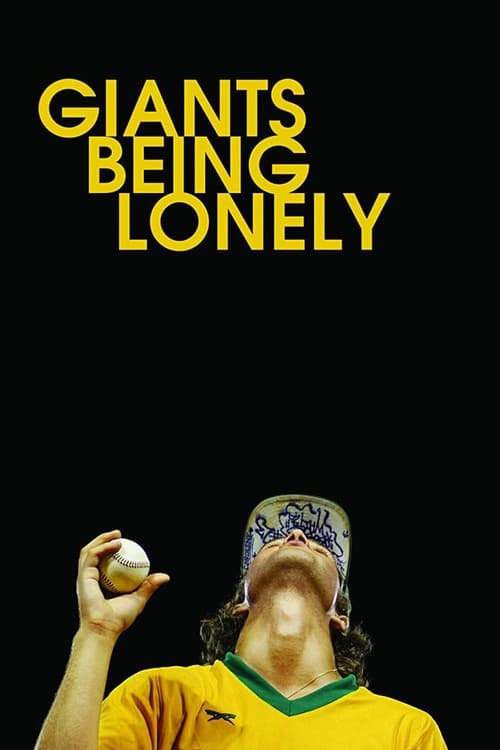
Giants Being Lonely is a psychological coming-of-age story that prioritizes emotional realism over conventional clichés. It succeeds in dismantling the sanctity of the traditional family unit, focusing instead on the trauma of neglect and domestic instability. The film's strength lies in its deconstructive approach to social structures. By portraying the rural South through a more diverse lens and highlighting male vulnerability, it avoids many mainstream clichés. However, the film lacks explicit representation regarding LGBTQ+ identities and disability. While it explores complex intimacy, it does not provide clear evidence of multi-layered depth or specific underrepresented identities.
Category Breakdown
The film explores the complexities of intimacy and human relationships among three central adolescents. While it avoids sanitized coming-of-age stories, it does not explicitly confirm any queer identities.
The narrative challenges traditional masculinity by centering the emotional vulnerability and instability of its male protagonists. Caroline serves as a central figure for the male characters' emotional growth.
Set in the rural American South, the casting includes diverse actors like Alejandro Castro Arias. This suggests an effort to move beyond monolithic regional stereotypes.
The story critiques the idealized nuclear family by portraying parenthood through lenses of alcoholism and abuse. It rejects traditional meritocratic success in favor of psychological realism.
There is no mention of visible or invisible disabilities, neurodivergence, or chronic illness within the narrative.
Present on Screen
Limited or Absent
Official Synopsis
As their senior year comes to an end, the pressure to “make it out alive” seems daunting for high school seniors Bobby, Caroline and Adam. As they each discover what it means to love and be loved they find themselves navigating the complex nature of human relationships, facing their own personal versions of neglect and abandonment. With baseball forming the backdrop to this coming of age story, three teens find themselves on a treacherous path towards adulthood.
2015
1997

2010

2016
2023
2016
2019

2024
No reviews yet. Be the first to share your thoughts on this movie!
Use the rating form above to leave a star rating and optional review.