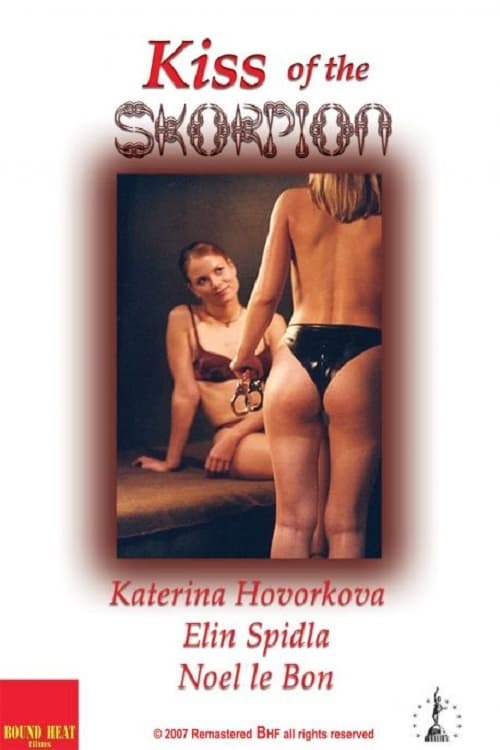
Lash of the Scorpion
2003
No user ratings available yet
Representation score: 0.8 out of 10

Representation Score
Minimal
1979
RDirector
Lloyd A. Simandl
Runtime
74 minutes
Average Rating
No ratings yetNew Showbiz Analysis
Autumn Born operates as a traditional dramatic narrative typical of the late 1970s. It adheres to conventional storytelling boundaries without attempting to challenge established social or cultural norms through an multi-layered lens. The film's focus remains on a central female protagonist, yet the structural setup of a 'school of discipline' suggests a reliance on traditional clichés regarding institutional control. This limits the potential for progressive gender representation. Overall, the production lacks intentionality regarding LGBTQ+ identities, racial diversity, and disability representation. It functions as a standard period drama that aligns with the era's homogeneous and straight-centered cinematic frameworks.
Category Breakdown
The film does not include any characters with non-traditional sexual orientations or gender identities. There is no critique of the assumption that everyone is straight or cisgender.
The story centers on a young woman, highlighting her role in driving the narrative. However, the 'discipline' framework might reinforce the idea of female vulnerability and institutional correction.
The narrative appears to feature a predominantly white and Anglo-Saxon cast. There is no indication of a diverse racial makeup.
The plot focuses on the tension between wealth and institutional authority. It does not prioritize critiques of Western institutions or traditions.
There is no evidence of characters with visible or invisible disabilities. The film does not represent neurodivergent individuals.
Present on Screen
Limited or Absent
Official Synopsis
A rich young woman is kidnapped and taken to a school of "discipline."
2003
2008

1976

2013

1981

1974

1965

1992
No reviews yet. Be the first to share your thoughts on this movie!
Use the rating form above to leave a star rating and optional review.