Ravenous
1999
No user ratings available yet
Representation score: 7.2 out of 10
Representation Score
Limited
2015
Not RatedDirector
S. Craig Zahler
Runtime
133 minutes
Average Rating
No ratings yetNew Showbiz Analysis
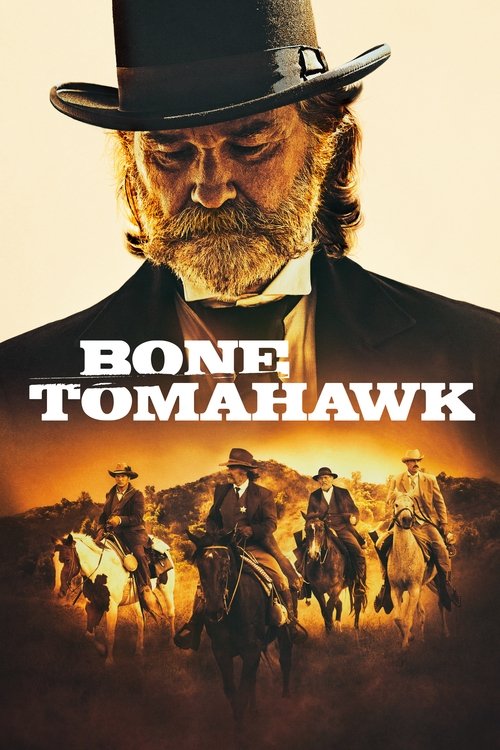
Bone Tomahawk is a visceral survival horror that prioritizes genre-specific brutality over narrative subversion. It adheres strictly to the traditional hierarchies of the Western genre, focusing on hyper-masculine stoicism and the grim realities of frontier life. The film's structure reinforces conventional social orders. While it avoids a purely homogeneous white cast, it does not use racial or gendered identities to challenge existing power dynamics or provide depth in multiple aspects of identity. Ultimately, the narrative centers on the preservation of the group and the reclamation of lost members. This focus on survivalist ethics keeps the film rooted in a traditionalist, male-centric framework.
Category Breakdown
The film does not include any visible LGBTQ+ characters. The social fabric is strictly traditional, focusing on the survivalist bonds of a male-dominated group.
Narrative ability to act is concentrated almost exclusively among male characters. Female characters primarily serve as victims needing rescue rather than active agents of the story.
The cast includes some racial variety, such as Black characters, though they often fit into historical stereotypes. The antagonist tribe is depicted through a lens of dehumanized savagery.
The film operates within traditional Western values regarding law and family protection. It portrays the necessity of the Sheriff figure to uphold a fragile social contract.
Physical trauma serves as a plot driver to heighten tension. There is no nuanced exploration of disability beyond presenting impairment as a vulnerability or violent consequence.
Present on Screen
Limited or Absent
Official Synopsis
During a shootout in a saloon, Sheriff Hunt injures a suspicious stranger. The doctor's assistant, wife of the local foreman, tends to him in prison. That night, the town is attacked and they both disappear—only the arrow of a cannibal tribe is found. Hunt and a few of his men go in search of the prisoner and the foreman's wife.
1999
1975
2008
2009
2000
2011

2003

2011
No reviews yet. Be the first to share your thoughts on this movie!
Use the rating form above to leave a star rating and optional review.