The Stalking of Laurie Show
2000
No user ratings available yet
Representation score: 4.9 out of 10
Representation Score
Limited
2025
Director
Michelle Ouellet
Runtime
90 minutes
Average Rating
No ratings yetNew Showbiz Analysis
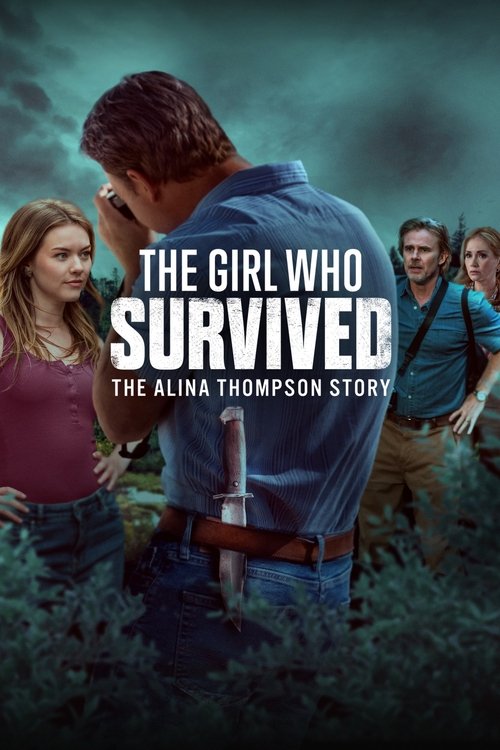
The film opens in a sunlit, suburban kitchen, establishing a veneer of 1980s domestic safety that the narrative systematically dismantles. *The Girl Who Survived* sells the myth of the "respectable neighbor" as a hollow construct, using the contrast between the bright exterior and the hidden violence to indict blind community trust. The camera favors the Thompson family, lingering on Alina’s (Brielle Robillard) internal distress and Nancy’s (Ashley Jones) relentless pursuit of truth. This framing positions the mother as the true protagonist, whose competence exposes the inadequacy of both the passive father and the bureaucratic police. The film’s argument is that safety is not a given of suburban normalcy but a result of active, often solitary, female vigilance. The ending rejects a neat legal catharsis in favor of a somber, intimate portrait of survival. By focusing on the permanent weight of trauma rather than a triumphant verdict, the film argues that justice is insufficient without the acknowledgment of lasting damage. This subverts the typical true-crime resolution that prioritizes the predator’s capture over the victim’s recovery. The sold meaning is clear: the family unit is the primary site of both violation and healing, and the state’s role is secondary to personal resilience. While the racial and gender dynamics remain conventional, the film’s strength lies in its refusal to romanticize the suburban ideal, instead exposing it as a fragile mask for hidden predation.
Category Breakdown
No queer characters, intimacy, or identity markers appear in the cast or plot. The narrative focuses exclusively on heterosexual family dynamics and the predator’s abuse of a teenage girl.
Nancy Thompson (Ashley Jones) serves as the competent moral engine, driving the investigation while the father remains a passive emotional anchor. The film validates female tenacity against male bureaucratic inaction, though the victim remains defined by her trauma.
The cast is predominantly white, reflecting the 1980s suburban setting. Russell Yuen appears as a secondary detective, but the racial dynamic is backgrounded; the story’s tension relies on class and gender, not ethnic conflict.
The nuclear family is treated as a sacred, besieged unit rather than a constraint. The film critiques the failure of local institutions to protect the vulnerable, positioning secular resilience and maternal vigilance as the true sources of safety over blind trust in "respectable" neighbors.
No characters possess physical or neurodevelopmental disabilities. The trauma depicted is psychological and physical abuse, not framed through a disability lens or identity.
Present on Screen
Limited or Absent
Official Synopsis
15-year-old Alina Thompson, an aspiring model in 1980s Los Angeles, pulls a fast one on her parents and sneaks away to an amateur photo casting call, where she meets photographer William Bradford. Unbeknownst to Alina, William is a serial killer, and she may be next.
2000

2024
2024
2003

2017

2018
1996
1991
No reviews yet. Be the first to share your thoughts on this movie!
Use the rating form above to leave a star rating and optional review.