
In Good Company
2004
No user ratings available yet
Representation score: 1.8 out of 10
Representation Score
Minimal
1986
PGDirector
Garry Marshall
Runtime
118 minutes
Average Rating
No ratings yetNew Showbiz Analysis
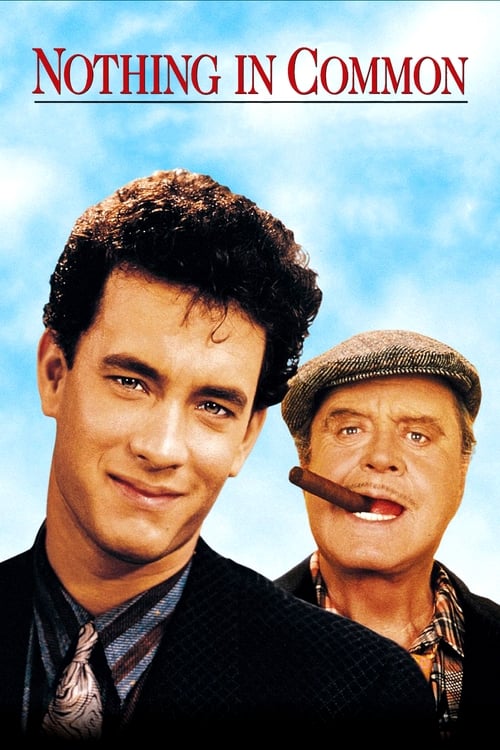
Nothing in Common serves as a quintessential example of mid-1980s mainstream romantic drama. The narrative structure reinforces established social hierarchies and traditional family structures rather than challenging them. The film prioritizes the preservation of the status quo, focusing on the stability of the nuclear family unit through a lens of conventional morality. Because the story operates within a homogeneous social framework and lacks multi-layered depth, it offers very little engagement with systemic identity politics or diverse cultural norms.
Category Breakdown
The film does not include any LGBTQ+ characters or non-straight relationships. The main conflict revolves around traditional heterosexual relationships.
The story examines the emotional dynamics of post-divorce parenting. While it touches on women's roles, it does not fundamentally challenge traditional gender hierarchies or power dynamics.
The narrative centers on a homogeneous, white, middle-class professional demographic in New York City. It lacks prominent portrayals of minority groups or diverse ethnic backgrounds.
The film adheres to traditional Western values and emphasizes family cohesion. It resolves conflicts through the restoration of social and familial order.
There are no visible or invisible disabilities portrayed within the central character arcs. The film does not address neurodivergence or physical impairments.
Present on Screen
Limited or Absent
Official Synopsis
A successful advertising executive finds his freewheeling life crashing to a halt when his parents end their longtime marriage.
2004

1977

2004

1995
1988

1988

1986

1972
No reviews yet. Be the first to share your thoughts on this movie!
Use the rating form above to leave a star rating and optional review.