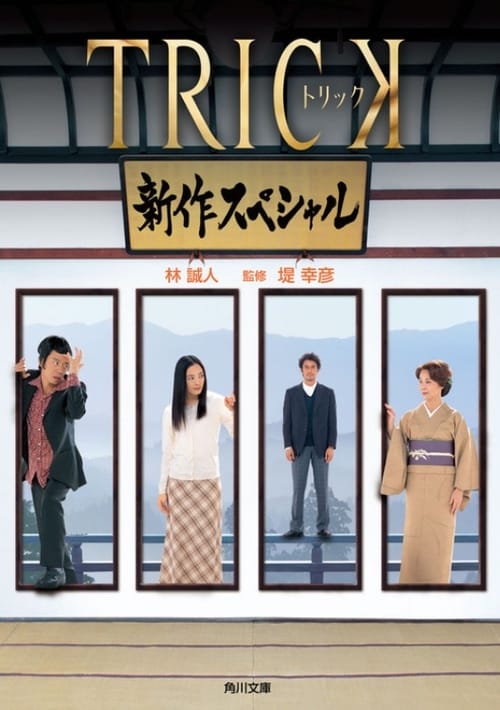
Trick Shinsaku Special
2005
No user ratings available yet
Representation score: 4.5 out of 10
Representation Score
Limited
2007
Director
Yuichi Satoh
Runtime
108 minutes
Average Rating
No ratings yetNew Showbiz Analysis
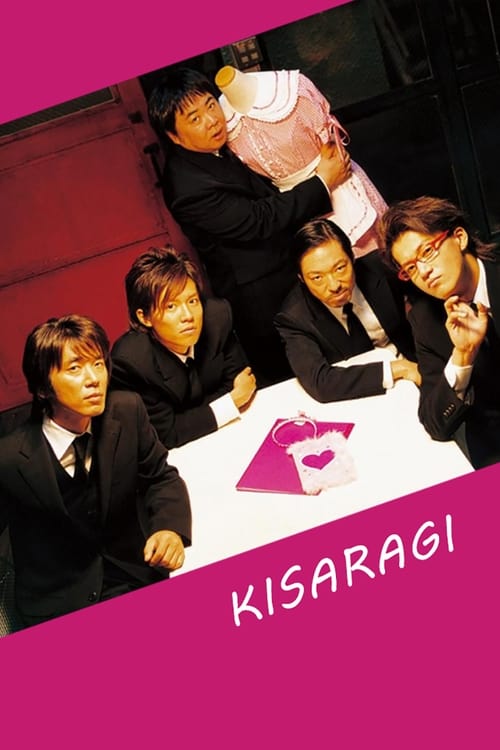
Kisaragi is a genre-driven mystery that prioritizes demographic homogeneity and traditional social hierarchies. The narrative centers on a specific Japanese subculture, limiting its scope to a culturally singular perspective. While the film explores the tension between individual inquiry and institutional narratives, it lacks multi-layered frameworks. Character dynamics remain within conventional social structures, offering little subversion of established identity-based clichés. Ultimately, the film functions as a standard representation of its specific cultural context, focusing on the pursuit of truth within a niche group rather than addressing broader diversity themes.
Category Breakdown
The film does not include any identifiable LGBTQ+ characters or narratives. The story revolves around the relationship between fans and a deceased idol, which does not intersect with queer identities.
The film features a predominantly male cast that drives the narrative. Although a female icon is central to the mystery, her posthumous presence primarily serves as a catalyst for male characters rather than showcasing her own choices.
The production includes a homogeneous cast reflecting its domestic setting in Tokyo. It operates within a culturally singular framework without any indication of race-blind casting or diverse representation.
The story provides a subtle critique of institutional opacity surrounding the truth of a death. However, it focuses on niche social motivations rather than challenging broader systemic or global ideologies.
There is no significant depiction of visible or invisible disabilities. Characters are portrayed as able-bodied members of an urban subculture without any narrative arcs centered on disability.
Present on Screen
Limited or Absent
Official Synopsis
The fanclub of a deceased Japanese idol gather together for the one year anniversary of her death. By combining forces they try to unearth the true circumstances surrounding her supposed suicide.
2005
2015
2013

2008

2005

2019

2011
1984
No reviews yet. Be the first to share your thoughts on this movie!
Use the rating form above to leave a star rating and optional review.