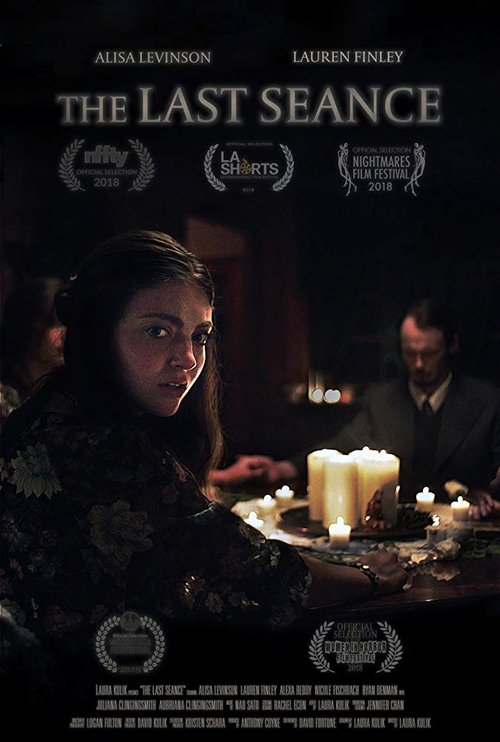
The Last Seance
2018
No user ratings available yet
Representation score: 3.2 out of 10

Representation Score
Limited
2020
RDirector
Andrew Mecham, Matthew Whedon
Runtime
86 minutes
Average Rating
No ratings yetNew Showbiz Analysis
Behind You follows typical horror conventions, sticking to well-known genre clichés. While the film highlights female protagonists, it does not challenge traditional gender roles or deconstruct conventional femininity. The casting includes some racial diversity, such as Charan Prabhakar, but the narrative lacks deeper exploration of multiple identities. The story's focus on a demon-driven plot indicates a preference for traditional supernatural themes over social critique. Overall, the film lacks the complexity needed to challenge cultural norms, functioning primarily as a straightforward genre piece.
Category Breakdown
The film does not include any LGBTQ+ characters or stories involving non-assuming gender matches what was assigned at birth identities. It focuses on a family unit made up of sisters and an aunt.
Female characters play key roles in driving the narrative, showing a strong presence. However, the story leans on traditional domestic themes centered around an aunt's household.
The cast includes actors like Charan Prabhakar, adding some racial diversity. However, the main focus remains on a smaller group without a broader non-Anglo-Saxon majority.
The plot features a malicious demon, a common supernatural cliché. There is no significant secular or anti-Western critique in the narrative.
The film does not feature any characters with visible or hidden disabilities. It does not address neurodivergence or physical disabilities.
Present on Screen
Limited or Absent
Official Synopsis
Two young sisters find that all the mirrors in their estranged aunt's house are covered or hidden. When one of them happens upon a mirror in the basement, she unknowingly releases a malicious demon.
2018

2017

2019
2024
2020

2023
2022
2016
No reviews yet. Be the first to share your thoughts on this movie!
Use the rating form above to leave a star rating and optional review.