
Funny Money
2006
No user ratings available yet
Representation score: 2.5 out of 10
Representation Score
Limited
1983
PG-13Director
Zale Magder
Runtime
78 minutes
Average Rating
No ratings yetNew Showbiz Analysis
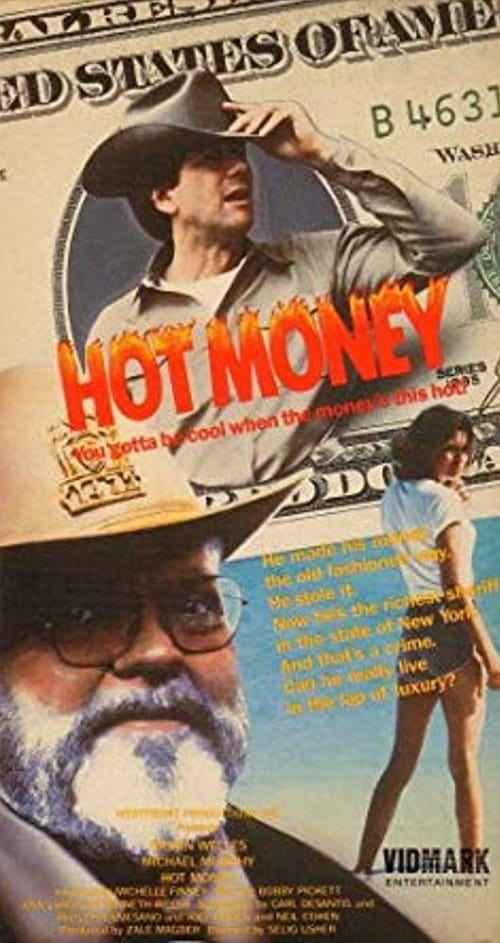
Hot Money is a conventional 1980s crime comedy that centers on a male protagonist's internal struggle following a theft, using standard genre formulas. The film's social landscape is largely uniform, reflecting the era's typical small-town depiction. It focuses on individual ability to act and established social hierarchies without challenging traditional gender, racial, or sexual identity norms.
Category Breakdown
The film focuses on a heterosexual relationship between Burt and Jeanette. It does not include any non-binary gender identities or narratives that challenge traditional gender norms.
Burt drives the central moral conflict, while Jeanette mainly motivates Burt's actions. The Sheriff provides comic relief by subverting typical masculine authority roles.
The small-town setting suggests a predominantly white, Anglo-Saxon community. There is no indication of a diverse cast with various ethnicities.
The story examines personal morality versus community responsibility within a standard capitalist system. It does not critique Western institutions or offer diverse cultural viewpoints.
The narrative does not feature any characters with physical, sensory, or neurodivergent disabilities.
Present on Screen
Limited or Absent
Official Synopsis
Burt, a clever ex-con, has changed his identity and has managed to land a job as a deputy in small town in upstate New York. On the 4th of July, while the drunken Sheriff Paisley is busy with the local parade and festivities, Burt quietly steals a million dollars in cash from the cellar safe in the local rich old widow's house. Unsuspected, Burt makes plans to live the rest of his life in the lap of luxury in a far off place with his attractive girlfriend, local hash house waitress Jeanette. But when a crisis of conscience hits him like a wave of ice cold water, he starts to think twice about his dastardly deed, and how that purloining of the old lady's money is wrongly affecting his friends as well as innocent locals. But will Burt do the right thing?
2006

1964
1996
1966
1993

1990

1966

1984
No reviews yet. Be the first to share your thoughts on this movie!
Use the rating form above to leave a star rating and optional review.