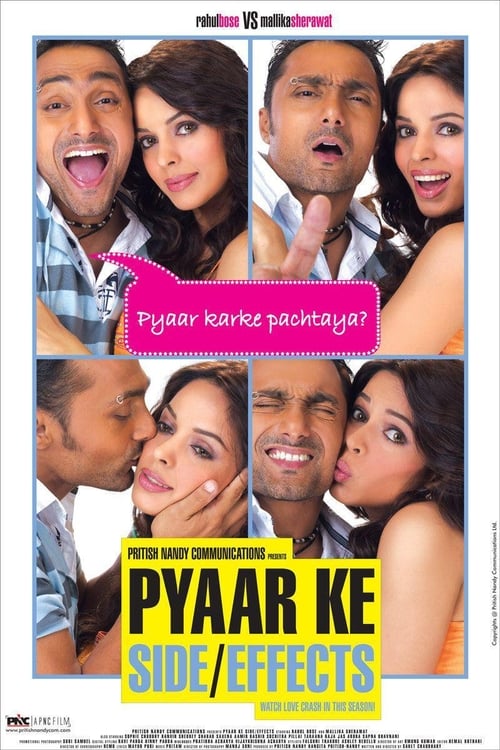
Pyaar Ke Side Effects
2006
No user ratings available yet
Diversity score: 3.6 out of 10
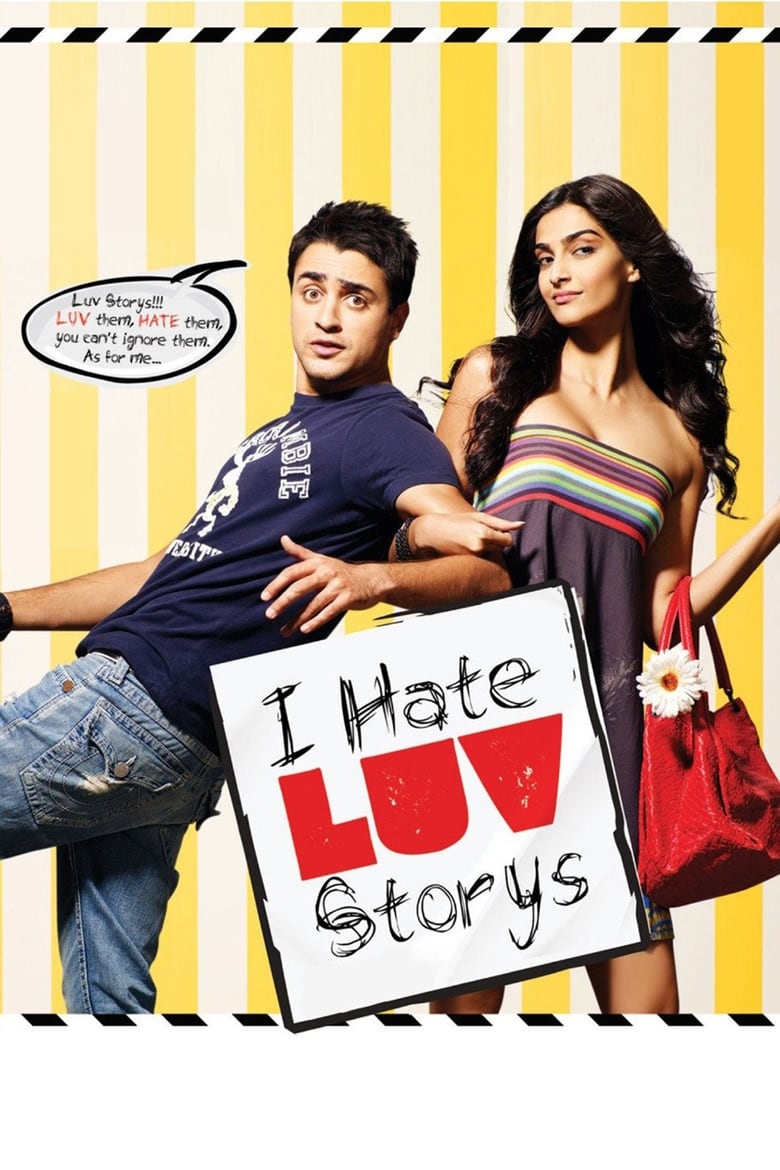
2010
Not RatedDirector
Punit Malhotra
Runtime
129 minutes
Average Rating
No ratings yetSynopsis
Simran loves love stories, with her ideal job and perfect boyfriend, she lives a blissful and dreamy life. However, things are rudely interrupted by Jay's cynicism on sentimentality.
Overall Score
Limited
Category Breakdown
LGBTQ+ Representation
The film follows a strictly heteronormative trajectory. There is no visible presence of non-cisnormative identities or critiques of heteronormativity within the plot.
Gender Representation
The story moves toward a balanced emotional exchange between the leads. However, characters remain within conventional social roles without subverting traditional gender hierarchies.
Racial & Ethnic Diversity
The cast depicts a largely homogeneous group of urban, upper-middle-class youth. It lacks intentional multi-ethnic casting or diverse regional identities.
Religious & Cultural Diversity
The narrative prioritizes personal emotional development over social or political commentary. It uses self-referentiality to critique cinematic clichés rather than systemic institutions.
Disability Representation
No visible or invisible disabilities are portrayed. No characters with disabilities are utilized as plot devices in the story.
Strengths
Areas for Improvement
AI Analysis
I Hate Luv Storys functions as a meta-cinematic exploration of romantic tropes rather than a vehicle for social change. While it successfully disrupts Bollywood clichés through a self-aware structure, it remains tethered to traditional demographic frameworks. The film focuses on a singular, privileged social class, which limits its progressive impact. The narrative achievement is primarily stylistic and postmodern, offering little challenge to established identity-based hierarchies. Ultimately, the film prioritizes aspirational lifestyle narratives over intersectional depth or systemic critique.
2006
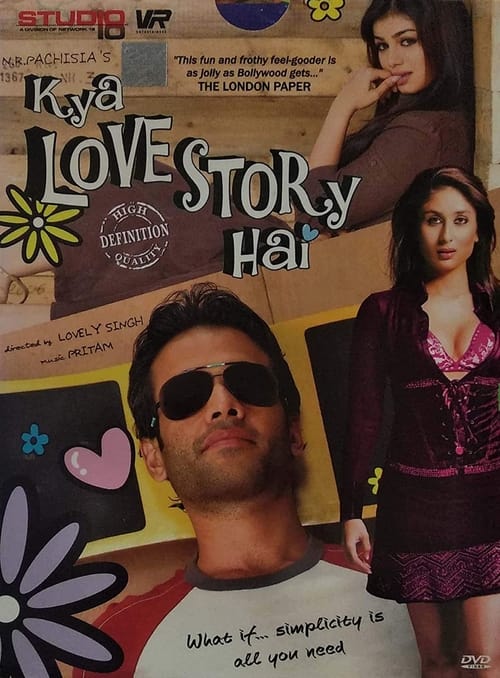
2007

2011

2003
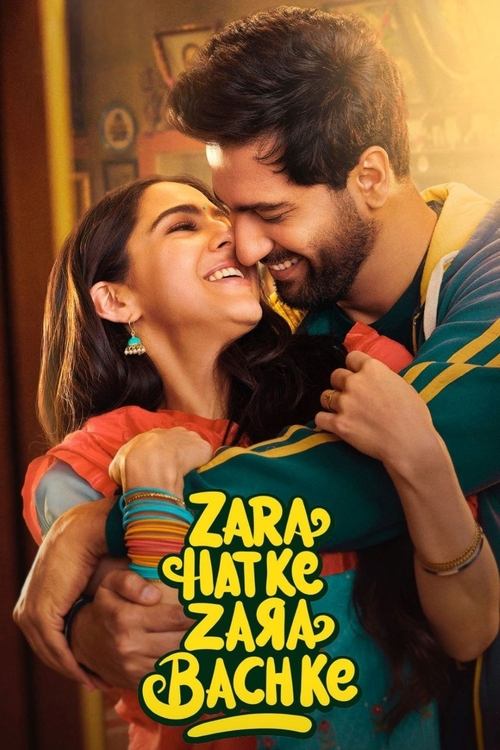
2023

2011
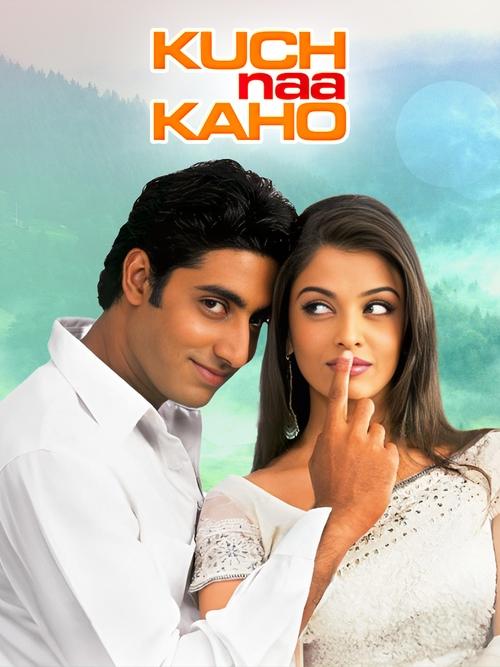
2003
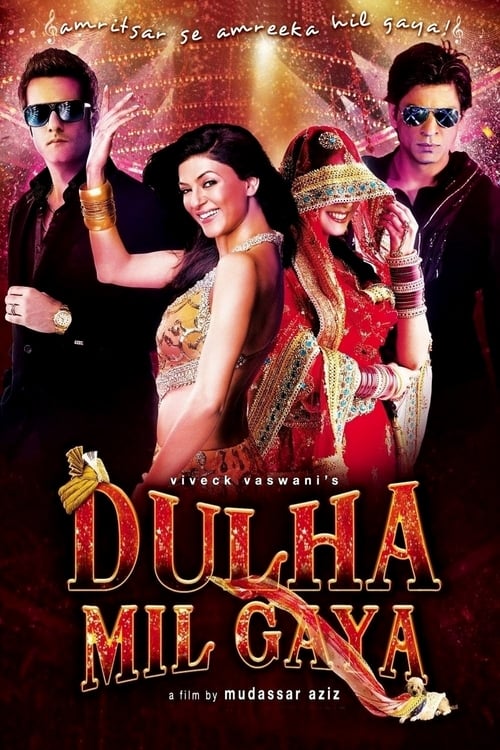
2010

2005
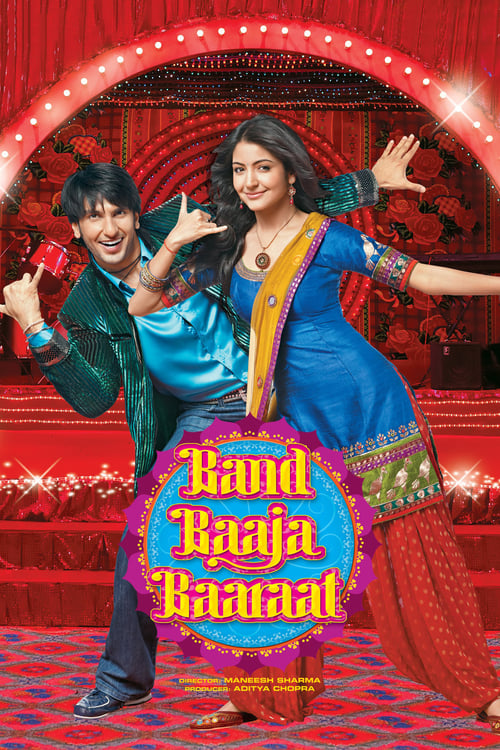
2010
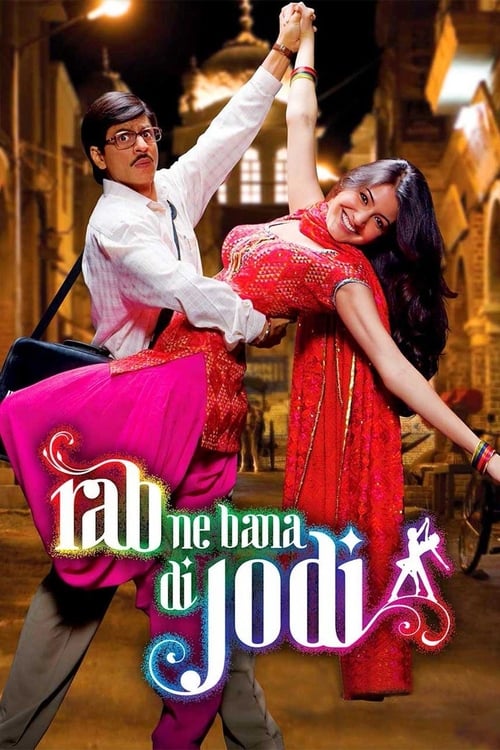
2008
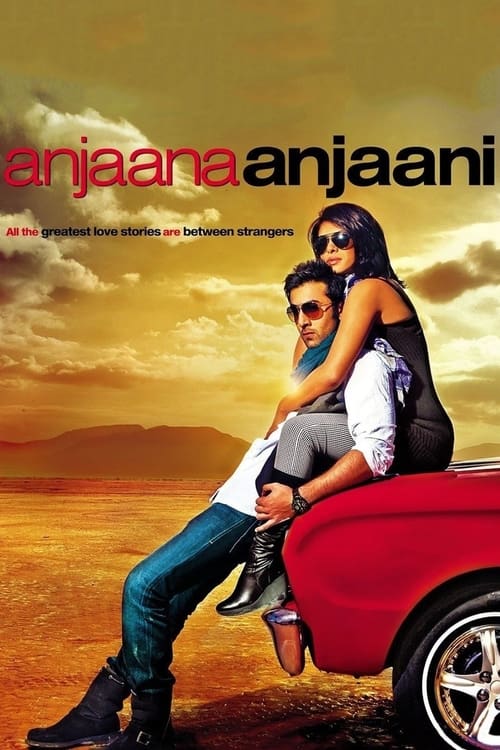
2010
No reviews yet. Be the first to share your thoughts on this movie!
Use the rating form above to leave a star rating and optional review.