Irina Palm
2007
No user ratings available yet
Representation score: 7.2 out of 10
Representation Score
Excellent
2008
RDirector
Erick Zonca
Runtime
144 minutes
Average Rating
No ratings yetNew Showbiz Analysis
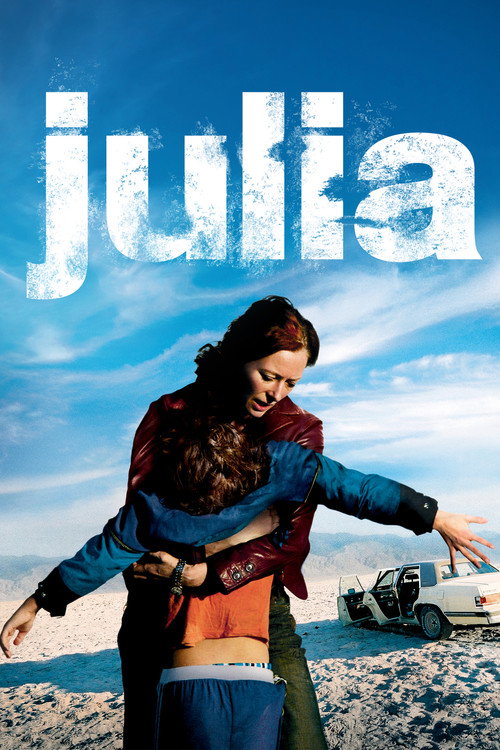
Erick Zonca’s *Julia* is a gritty, naturalistic study of characters living on society’s fringes. The film excels by centering a queer-centric lens, using the intimate relationship between Julia and Lili to drive the narrative and disrupt straight-centered expectations. The film also subverts traditional gender hierarchies by focusing on women's ability to drive the story and emotional labor in a world without masculine leadership. By portraying theft and deception as necessary responses to systemic poverty, the movie provides a profound critique of capitalist structures and inadequate social safety nets. While the film is strong in its exploration of class and queer identity, it lacks significant racial and ethnic diversity. Its nuanced portrayal of addiction and socioeconomic struggle provides a sophisticated look at the intersection of these issues.
Category Breakdown
The film centers on the close lesbian relationship between Julia and Lili, which serves as the main emotional driver of the story, rather than a secondary subplot.
The narrative is driven by female characters who navigate a world defined by their shared experiences and survival, operating outside traditional patriarchal structures.
The story focuses on class and socioeconomic issues within a French urban setting but lacks explicit representation of racial diversity.
The film critiques capitalist structures and Western institutions, emphasizing survivalist bonds over conventional family units.
Julia’s struggle with alcoholism is portrayed as a complex part of her identity, with the narrative focusing on the psychological impact of her addiction.
Present on Screen
Limited or Absent
Official Synopsis
An alcoholic becomes involved in a fellow A.A. member's plan to kidnap her young son from the boy's wealthy grandfather.
2007
1989

2002
2018

2009
1994

2013

2006
No reviews yet. Be the first to share your thoughts on this movie!
Use the rating form above to leave a star rating and optional review.