Bell from Hell
1974
No user ratings available yet
Representation score: 1.7 out of 10
Representation Score
Limited
1985
RDirector
Sergio Guerraz, Dominique Othenin-Girard
Runtime
104 minutes
Average Rating
No ratings yetNew Showbiz Analysis
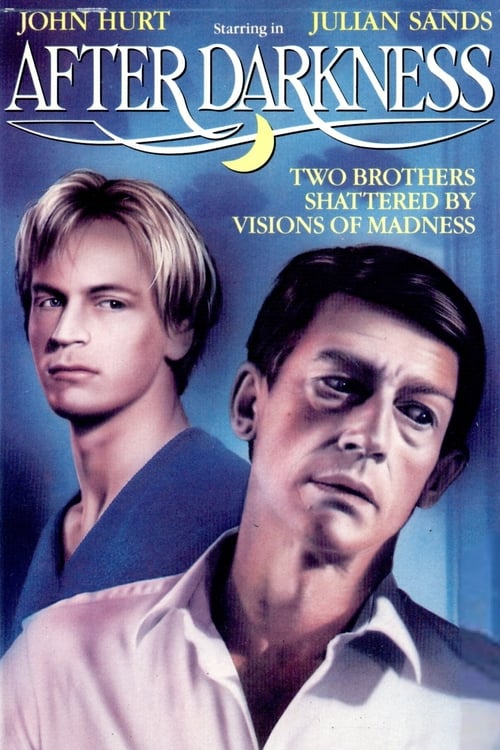
After Darkness is a psychological thriller that prioritizes a concentrated study of mental instability and familial guilt. The narrative architecture is built around a closed, interpersonal dynamic between two brothers, which limits the scope for broader social exploration. The film leans into genre-specific clichés of the mid-80s, focusing on individualist psychological breakdowns. This results in a narrow perspective that lacks characters who reflect more than one aspect of diversity or the disruption of conventional social hierarchies. While the film engages with themes of neurodivergence and the failures of mental institutions, it remains a character-driven drama centered on masculine-coded trauma and subjective psychological reality.
Category Breakdown
The film focuses solely on a fraternal relationship between two brothers. It does not include any representation of LGBTQ+ identities or narratives that challenge the assumption that everyone is straight or cisgender.
The story revolves around male-driven conflict and psychological struggles. This focus on brotherhood suggests a lack of significant women's ability to drive the story or subversion of traditional gender roles.
The premise does not indicate a diverse cast or multicultural setting. The isolated familial unit suggests a potentially homogeneous, Western-centric character study.
The plot explores themes of mental health and institutional failure. However, the conflict remains rooted in individual guilt rather than a broader critique of social movements.
The story centers on neurodivergence and mental health crises. While exploring a disturbed individual, the character may serve more as a plot device than a person with ability to act.
Present on Screen
Limited or Absent
Official Synopsis
To salve his guilty conscience an elder brother removes his disturbed younger sibling from a mental institution after a suicide attempt and tries to bring him back to mental competency through one on one contact. Free of the institution he continues to be haunted by dreams of a lost twin and chants the eerie phrase "Do I stand before the king?" It is the elder brother that seems doomed to lose himself in his brother's insanity.
1974
1986
1974
1976
1973
1995
2018
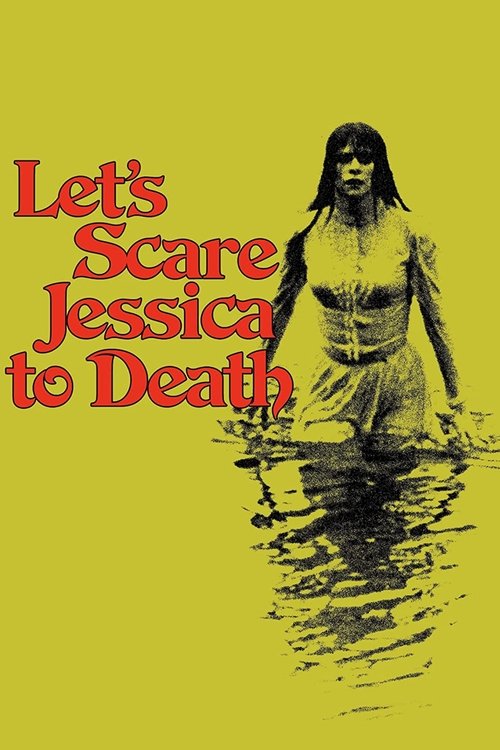
1971
No reviews yet. Be the first to share your thoughts on this movie!
Use the rating form above to leave a star rating and optional review.