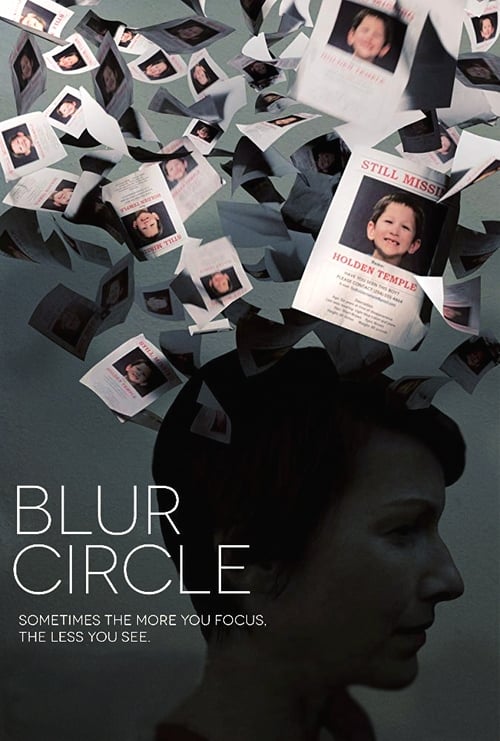
Blur Circle
2016
No user ratings available yet
Representation score: 2.9 out of 10

Representation Score
Limited
2008
Director
Rachel Zisser
Runtime
19 minutes
Average Rating
No ratings yetNew Showbiz Analysis
Traces is a character-driven drama that prioritizes the deconstruction of the idealized family unit. By focusing on a father's journey to uncover his deceased son's true life, the film moves away from traditional domestic stability toward a more complex, subjective reality. The film succeeds in challenging the 'competent patriarch' cliché, instead presenting a male lead defined by grief and helplessness. This shift offers a more nuanced look at masculinity through the lens of sudden loss. However, the film's approach to diversity is limited by its narrow focus. Without information regarding racial, ethnic, or LGBTQ+ identities, the narrative's ability to represent broader social spectrums remains unverified.
Category Breakdown
The film focuses on the bond between a father and his son. There is no explicit evidence of queer identities or non-straight relationships within the narrative.
The story centers on a male protagonist facing a crisis of paternal identity. It avoids traditional patriarch clichés by emphasizing his profound vulnerability and helplessness.
The provided information does not specify the racial or ethnic backgrounds of the characters. Consequently, no assessment of racial diversity can be made.
The narrative disrupts the archetype of the stable nuclear family by exploring a life lived outside a father's knowledge. It embraces moral complexity over social norms.
There is no mention of physical disabilities, neurodivergence, or mental health conditions in the context of the film.
Present on Screen
Limited or Absent
Official Synopsis
Sydney Kessler answers the phone call that no parent ever hopes to receive. He travels to the morgue. There, they unveil a body he doesn't recognize - his son Julian. Over the course of one night, Sydney embarks on a journey deep into the city to uncover the truth about how his son died. Instead, he discovers how his son lived.
2016
2011
2016

2016

2013
2008

2019

2004
No reviews yet. Be the first to share your thoughts on this movie!
Use the rating form above to leave a star rating and optional review.