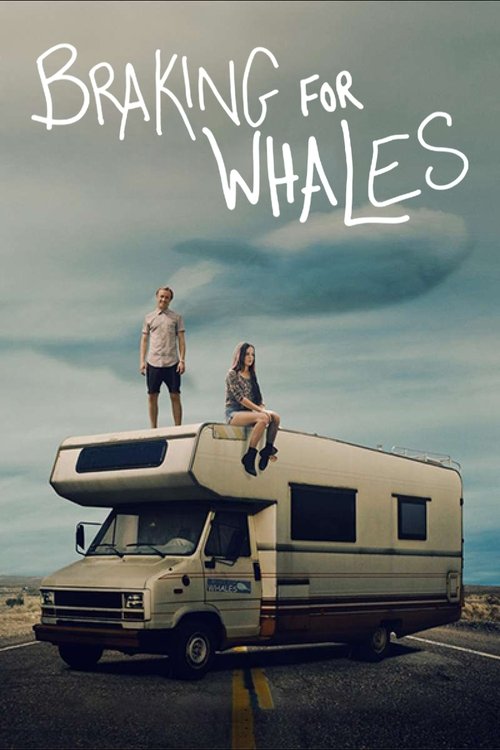
Braking for Whales
2019
No user ratings available yet
Representation score: 6.3 out of 10

Representation Score
Limited
2026
Director
Ryan Patrick Welsh
Runtime
106 minutes
Average Rating
No ratings yetNew Showbiz Analysis
The film opens with the hollow weight of a biological father’s name, a ghost that haunts the twins’ shared history. *When We Get There* uses a cross-country road trip to dismantle the myth of the absent patriarch, revealing him not as a savior but as a stranger who offers pens and scotch instead of connection. The camera consistently favors the stability of Ellie, whose job and apartment represent a future the brothers are still scrambling to define. While the narrative leans on the comfort of a "hopeful" tone, its true argument is that the family we choose and the work we do matter more than the bloodline we chase. The ending settles on the idea that showing up for the people who actually love you is the only redemption that counts.
Category Breakdown
No queer characters or same-sex intimacy appear. The narrative relies entirely on heterosexual and familial bonds. The credits list no non-binary identities.
Ellie anchors competence with a job and apartment while Cal remains aimless. Her father frames her career as her primary gift. Independence is prioritized over romantic convenience.
The cast is predominantly white, reflecting the 1974 Pennsylvania setting. No non-white characters appear in the credits or dialogue. The social landscape remains unmarked by diversity.
The biological father is a hollow figure, while the mother serves as the moral center. Traditional family structures are deconstructed. The search for a real father yields only disappointment.
No characters are depicted with physical, cognitive, or chronic disabilities. The mother’s terminal illness acts as a plot catalyst. It does not represent disabled life.
Present on Screen
Limited or Absent
Official Synopsis
Brothers Cal and Ty, embark on a cross-country trek to meet the father they’ve never known, and the only family they have left. Along with Cal’s long-term girlfriend Ellie and a new guitar named Stevie, the trio are forced to navigate uncertain futures on a 2000-mile journey in a car on its last leg. Along the way they discover what, and who, it’s worth showing up for.
2019

2019

2021

2018

2016

2022

2025

2011
No reviews yet. Be the first to share your thoughts on this movie!
Use the rating form above to leave a star rating and optional review.