
Secret Voices
2021
No user ratings available yet
Representation score: 0.0 out of 10
Representation Score
Fair
2020
Director
René Manzor
Runtime
93 minutes
Average Rating
No ratings yetNew Showbiz Analysis
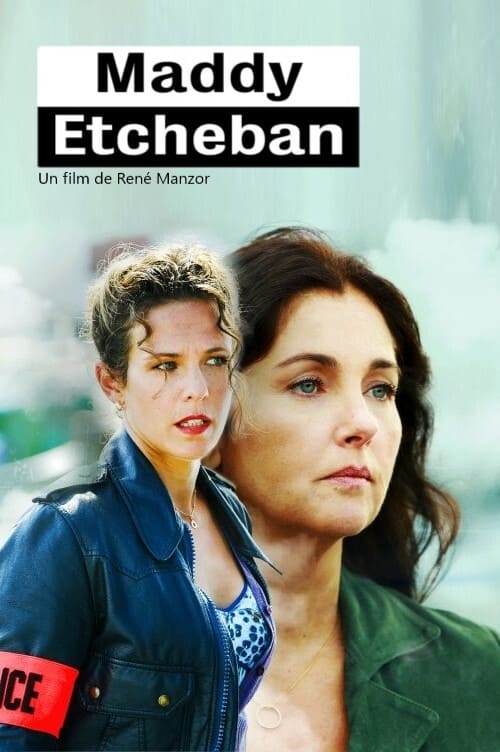
Murder in Basque Country is a character-driven drama focusing on the intersection of professional authority and neurodivergent caregiving. By featuring a female police officer as the main investigator, the film challenges traditional gender roles in law enforcement. The narrative gains depth through its portrayal of autism, which is central to the protagonist's emotional and professional struggles. While the film lacks explicit LGBTQ+ representation or detailed racial diversity, it provides a nuanced look at non-traditional family structures and caregiving.
Category Breakdown
The film does not include any explicit LGBTQ+ characters or non-binary identities. It also does not critique the assumption that everyone is straight or cisgender.
The film features a female protagonist who holds a high-ranking position as a police officer while also managing domestic caregiving responsibilities. This disrupts traditional gender roles and domestic clichés.
The story is set in the Basque Country, offering a regional perspective. However, the racial makeup of the cast and multi-layered dynamics are not specified.
The story explores the complexities of single motherhood and neurodivergence, challenging idealized views of the traditional nuclear family.
The character Clément highlights neurodivergence, with autism playing a central role in the narrative. Disability is not just a minor subplot but a key element of the character’s development.
Present on Screen
Limited or Absent
Official Synopsis
Maddy Etcheban is a cop in Bayonne, but she is also the mother of Clément, a young autistic person whom she has been responsible for alone since the death of her husband.
2021

2018

2020
2000

2020

2021
2008

2019
No reviews yet. Be the first to share your thoughts on this movie!
Use the rating form above to leave a star rating and optional review.