
A Suitable Girl
2017
No user ratings available yet
Representation score: 6.5 out of 10
Representation Score
Good
2019
Director
Hilla Medalia, Shosh Shlam
Runtime
85 minutes
Average Rating
No ratings yetNew Showbiz Analysis
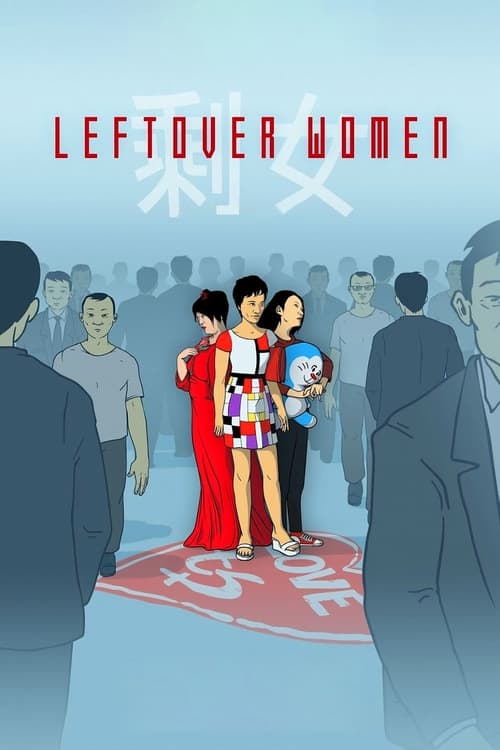
Leftover Women works well as a study of individuals standing up to societal pressures. By focusing on women who resist traditional marriage rules, the film breaks down patriarchal social hierarchies and challenges narrow views of success. The documentary offers a fresh non-Western look at domestic and marital pressures. It goes beyond personal stories to explore how cultural institutions demand conformity from those outside established norms. While the film does a great job critiquing gender and cultural issues, its focus limits its scope. The absence of LGBTQ+ representation or disability inclusion means it doesn't fully represent diverse groups.
Category Breakdown
The film highlights the stigma faced by single women and critiques the idea that everyone should follow traditional marriage paths. However, it does not show any LGBTQ+ identities or same-sex relationships.
The movie focuses on women taking control of their lives and resisting traditional expectations. It shows women as active participants in defining love on their own terms, rather than as passive followers of tradition.
The film looks closely at Chinese women, avoiding the usual Western focus. Despite being ethnically uniform, it provides detailed insights into a demographic often seen as a single group.
The documentary criticizes state pressures and traditional family structures. It emphasizes individual freedom over maintaining social hierarchies and cultural conformity.
There is no mention of physical or neurodivergent disabilities in the film.
Present on Screen
Limited or Absent
Official Synopsis
In China, single women are under immense pressure to marry young or face the stigma that comes with being "leftover." Leftover Women follows three hopeful singles seeking to define love on their own terms.
2017
2023
2014
2019

2012
1998
2021

2018
No reviews yet. Be the first to share your thoughts on this movie!
Use the rating form above to leave a star rating and optional review.