Pizza and Dates
2015
No user ratings available yet
Representation score: 5.7 out of 10
Representation Score
Fair
2016
Director
Luca Miniero
Runtime
90 minutes
Average Rating
No ratings yetNew Showbiz Analysis
The film excels by making multicultural integration a structural necessity rather than a background element. By centering the plot on the Tunisian community's role in a local tradition, it moves beyond including someone from a minority group without giving them real depth to explore the complexities of modern European identity. However, the film remains somewhat constrained by traditional comedic frameworks. While it addresses ethnic and religious friction with sophistication, it offers less depth regarding gender roles and lacks any meaningful LGBTQ+ or disability representation. Ultimately, the work serves as a comedic metaphor for social synthesis, successfully using the Nativity play to deconstruct singular religious narratives in favor of a more inclusive social fabric.
Category Breakdown
The film focuses on religious and ethnic integration rather than sexual orientation. It avoids rigid assumptions about straight relationships in its comedic subplots.
Female characters navigate tensions between Italian and Tunisian communities. They play a significant role in driving the narrative despite the use of traditional comedic archetypes.
The story centers on the interaction between the local Italian community and the Tunisian diaspora. Characters like Bilal help bridge significant cultural divides.
The narrative challenges religious rigidity by framing a Nativity play through the lens of cross-cultural cooperation. It promotes secular pluralism by critiquing institutions' inability to adapt to demographic shifts.
There are no prominent depictions of visible or invisible disabilities within the narrative.
Present on Screen
Limited or Absent
Official Synopsis
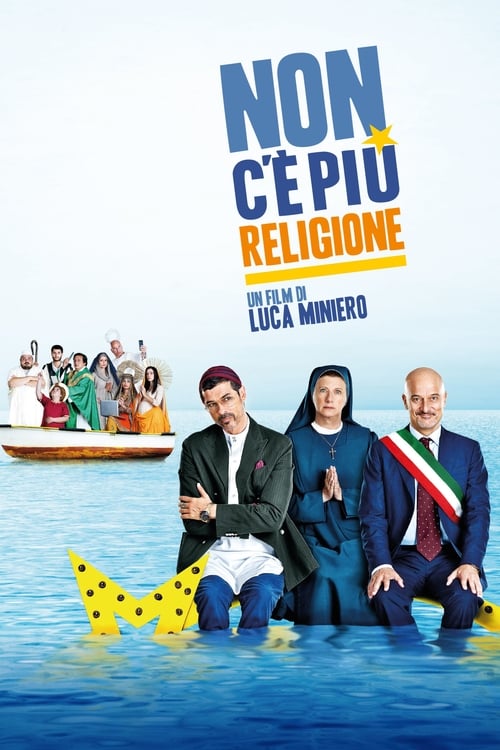
Set on the small island of Porto Buio, the traditional live Christmas Nativity scene might not go ahead because the baby who’s always played Jesus has grown up and no new babies have been born on the island in years! With this fundamental tradition on the line, newly elected Mayor Cecco (Claudio Bisio) wants to ask the local Tunisian community to “borrow” one of their children, but there’s conflict between the two communities. Cecco enlists the help of local Islam convert Bilal (Alessandro Gassman) to cross the cultural divide… but both communities are not sure what to make of a baby Jesus that may need his nationality, and even his religion changed!
2015
2011
2022
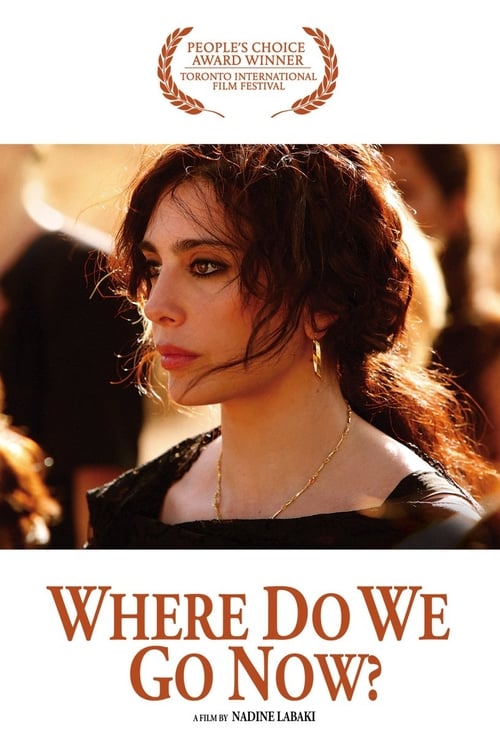
2011

2017
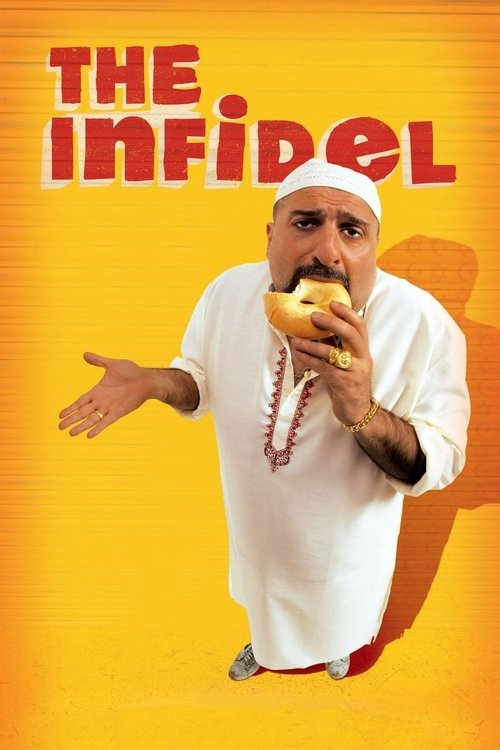
2010
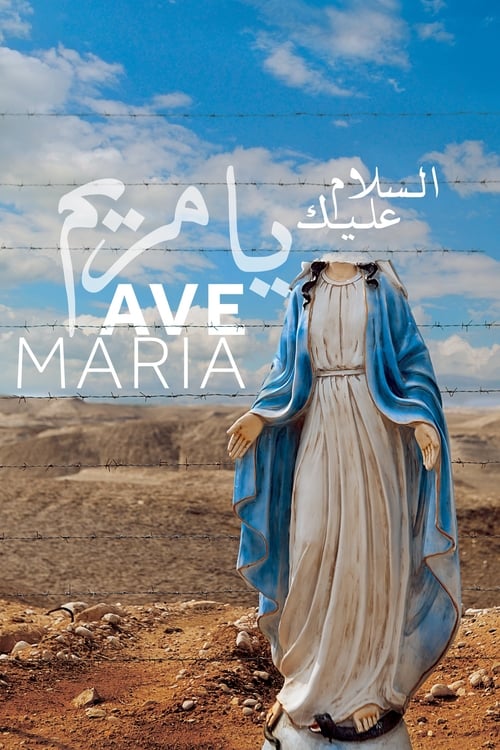
2015

2024
No reviews yet. Be the first to share your thoughts on this movie!
Use the rating form above to leave a star rating and optional review.