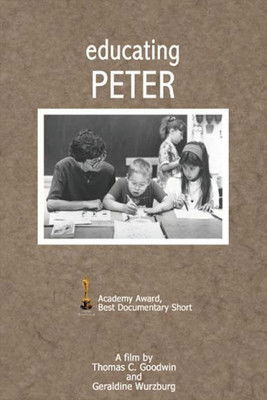
Educating Peter
1992
No user ratings available yet
Representation score: 7.5 out of 10
Representation Score
Fair
1977
Director
Beverly Shaffer
Runtime
26 minutes
Average Rating
No ratings yetNew Showbiz Analysis
This documentary stands out for its humanistic portrayal of disability, focusing on a young girl's journey through social barriers. By emphasizing her proactive attitude over sentimentality, the film avoids common clichés of the time. While it provides a solid foundation for disability representation, it lacks depth in exploring diverse racial, ethnic, and LGBTQ+ perspectives. The film remains within a traditional social framework, highlighting personal resilience without delving into broader cultural themes.
Category Breakdown
The film lacks any visible LGBTQ+ characters or narratives addressing non-assuming gender matches what was assigned at birth identities. It focuses strictly on physical disability and social integration within a traditional school setting.
The film features a strong female protagonist named Nadia who takes a leading role in driving the story. She challenges traditional stereotypes by showing independence and strength of character.
There is no specific mention of the racial or ethnic makeup of the cast or the school environment. The score reflects a neutral baseline for a film made in 1977.
The film operates within a traditional social framework, focusing on personal resilience within established institutions. It does not address anti-Western or secularist themes.
The film highlights a protagonist with spina bifida who exercises a significant role in driving the story. It avoids the 'inspiration porn' cliché by portraying her condition as a functional part of her life rather than a source of pity.
Present on Screen
Limited or Absent
Official Synopsis
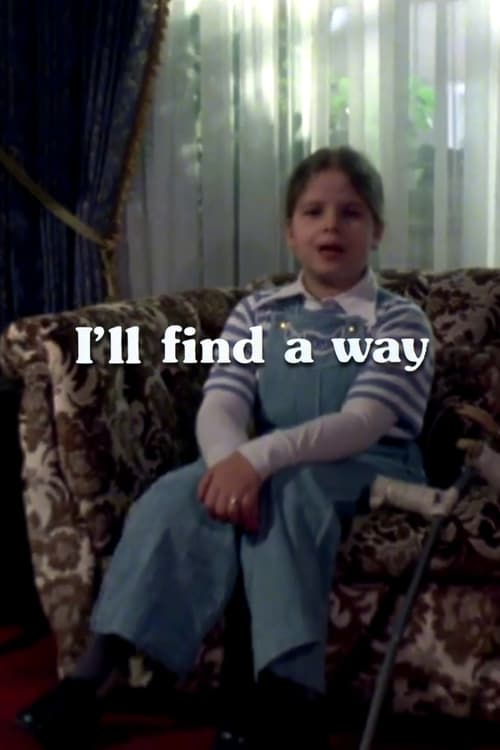
When nine-year-old Nadia is allowed to attend a regular school, she knows the kids will tease her but she'll "find a way to deal with it." Nadia has spina bifida, a congenital condition that has caused a lack of sensation from the knees down. She uses crutches in order to walk. Nadia, in her own candid way, makes it clear that she is not looking for sympathy. She can do many things that children do, only she has a different way of doing them. Oscar® winner!
1992

2005
1975
2016
2000

2013

1996

2020
No reviews yet. Be the first to share your thoughts on this movie!
Use the rating form above to leave a star rating and optional review.