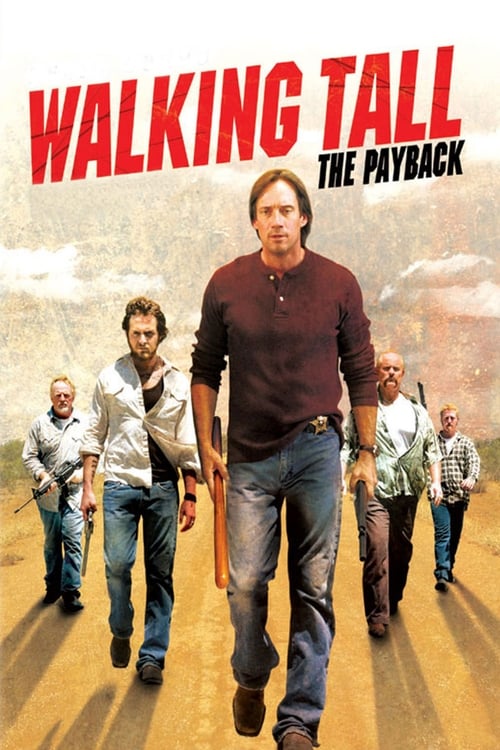
House of the Rising Sun
2011
No user ratings available yet
Diversity score: 1.5 out of 10
2007
RDirector
Tripp Reed
Runtime
94 minutes
Average Rating
No ratings yetSynopsis
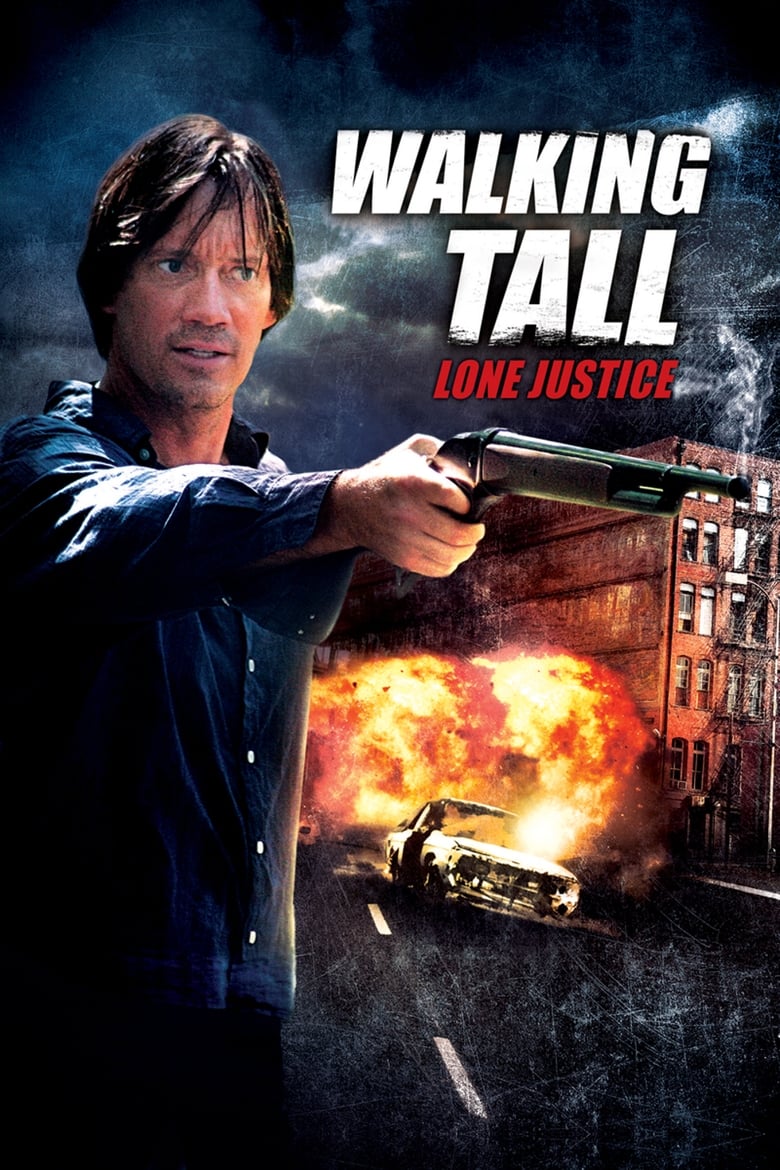
In Dallas, witnesses against a drug-lord are murdered in a safe-house.The testimony of FBI agents becomes the only chance to keep him in prison. They are lodged in another safe-house, but the place is invaded and the agents are executed. However, Kate is only wounded, and her boyfriend Nick believes there is a traitor in the agency and takes her to his ranch to protect her life.
Overall Score
Limited
Category Breakdown
LGBTQ+ Representation
The story centers on a heterosexual romance between Kate and Nick. It offers no visible non-cisnormative identities or narratives that challenge heteronormative structures.
Gender Representation
Kate serves as a central figure following a violent attack, yet the plot relies on Nick's protective actions. This reinforces a traditional protector/protected dynamic.
Racial & Ethnic Diversity
The film lacks explicit details regarding the racial or ethnic identities of its cast. It appears to follow standard genre conventions of the era.
Religious & Cultural Diversity
The plot focuses on law enforcement and individualistic justice within a ranch setting. It reinforces traditional concepts of order rather than offering cultural critiques.
Disability Representation
There is no mention of characters navigating physical, neurodivergent, or mental health conditions within the narrative.
Strengths
Areas for Improvement
AI Analysis
Walking Tall: Lone Justice operates within a very narrow, traditional framework. The narrative is driven by a conventional male-led protector dynamic, which limits the agency of its female characters. Culturally, the film leans heavily on established crime thriller tropes, focusing on law, order, and private refuge. This approach lacks the intentionality needed to disrupt social hierarchies or introduce diverse perspectives. Ultimately, the film adheres to the homogeneous casting and storytelling patterns common in mid-2000s action cinema, providing little in the way of intersectional representation.
No reviews yet. Be the first to share your thoughts on this movie!
Use the rating form above to leave a star rating and optional review.