Tim Maia
2014
No user ratings available yet
Representation score: 4.9 out of 10
Representation Score
Excellent
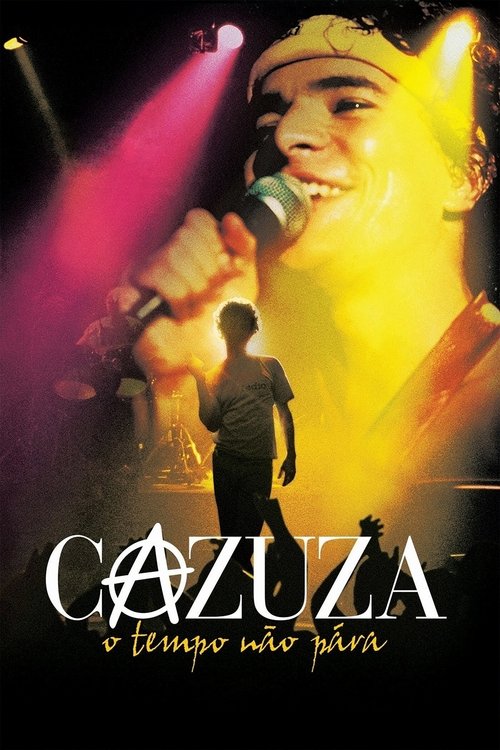
2004
Director
Walter Carvalho, Sandra Werneck
Runtime
98 minutes
Average Rating
No ratings yetNew Showbiz Analysis
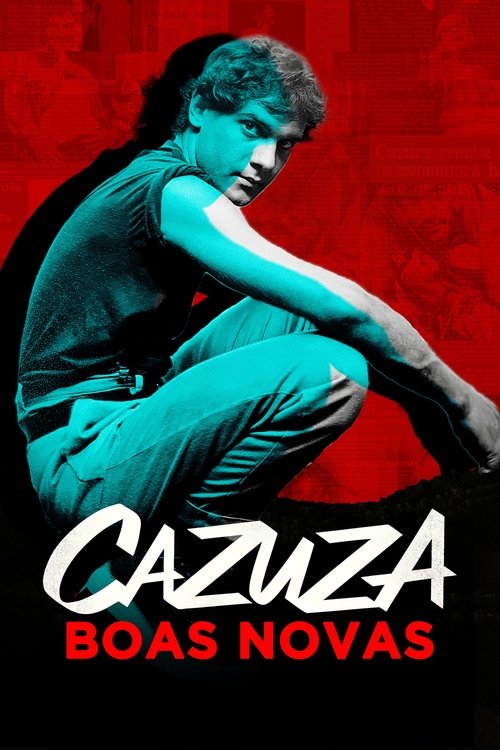
Cazuza: Time Doesn't Stop is a powerful biographical documentary that uses the life of a rock icon to challenge social norms. It places queer identity and the subversion of gendered expectations at the heart of the narrative. The film provides a vital look at the HIV/AIDS epidemic, treating physical vulnerability with dignity rather than using it for cheap sentimentality. It connects personal identity to a broader critique of Brazilian political and social institutions. While the focus remains largely on a specific urban social class, the film avoids homogeneity by reflecting the diverse musical textures of Brazil's rock scene.
Category Breakdown
The film centers on a prominent LGBTQ icon, making his sexuality a key part of his social and creative impact. It offers a nuanced look at LGBTQ survival during the height of the HIV/AIDS crisis.
The film rejects traditional Brazilian masculine hierarchies and the 'macho' stereotype. Cazuza embraces a fluid, provocative persona that challenges the patriarchal structures of 1980s Brazil.
The narrative focuses on a specific social class within the urban rock scene. However, it captures the multi-ethnic nature of the Brazilian music landscape, especially during the Circo Voador era.
The documentary critiques established power structures and social hypocrisy through Cazuza's lyrics and actions. It celebrates the outsider and the rebel against institutional corruption.
The film depicts chronic illness with dignity, focusing on individual empowerment rather than pity. Cazuza's battle with HIV/AIDS is integrated into a broader narrative of courage and defiance.
Present on Screen
Limited or Absent
Official Synopsis
Inspired by the moving book “Só as Mães São Felizes”, by Lucinha Araújo, Cazuza's mother, the film covers a little more than 10 years of the singer’s crazy and brief life – from the beginning of his career in the Circo Voador venue, in 1981, to the huge success and the apotheosis of his shows with the Barão Vermelho band, his solo career, his relations with his parents, friends, lovers and passions, and the courage he had to face his final years, with HIV, until his death, in 1990.
2014
2025

2019

2017
2007

2005

2019
2025
No reviews yet. Be the first to share your thoughts on this movie!
Use the rating form above to leave a star rating and optional review.