The Cleanse
2018
No user ratings available yet
Diversity score: 4.1 out of 10
2017
Director
Volodymyr Tykhyy
Runtime
107 minutes
Average Rating
No ratings yetSynopsis
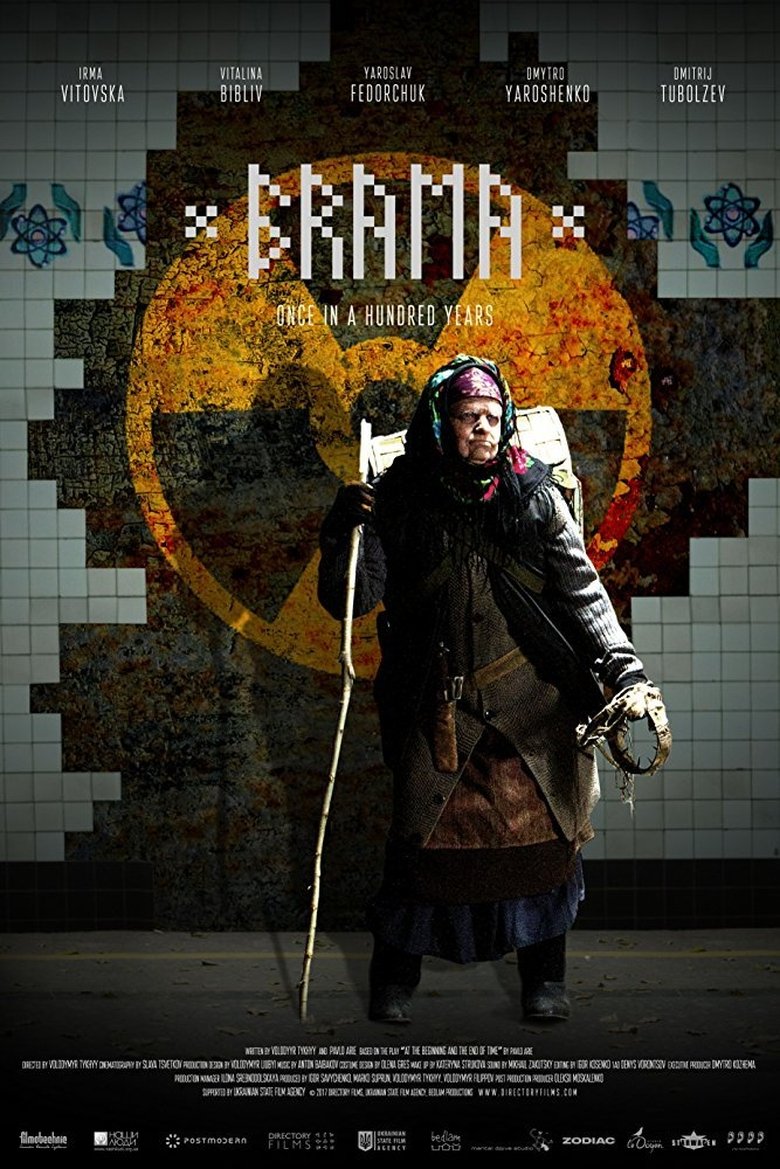
Inside the Chornobyl exclusion zone Grandma Prisa, the family matriarch, consorts with water nymphs, eats a diet filled with hallucinogenic mushrooms, and claims to have personally stabbed 12 SS soldiers to death during World War II. She lives together with her divorced and chronically ill daughter Slava and grandson Vova. Unexpectedly, their measured life comes to an end - Grandma Prisa receives a mystical warning about an impending catastrophe.
Overall Score
Fair
Category Breakdown
LGBTQ+ Representation
The film focuses on a nuclear family unit consisting of a matriarch, her daughter, and her grandson. There is no explicit evidence of LGBTQ+ characters or queer subtext within the narrative.
Gender Representation
The story centers on female agency and a matriarchal structure. Grandma Prisa is a powerful, eccentric figure who challenges elderly passivity through her violent, heroic history and leadership of the household.
Racial & Ethnic Diversity
The cast appears ethnically homogeneous, yet the film explores identity through the lens of Eastern European regional history. It centers a family shaped by localized folklore and systemic catastrophe.
Religious & Cultural Diversity
The narrative prioritizes folkloric mysticism and non-traditional spirituality over organized religion. It deconstructs idealized family tropes by portraying a household defined by chronic illness, divorce, and environmental failure.
Disability Representation
Slava provides meaningful representation of chronic illness. Her condition is integrated into the family's domestic reality rather than being used as a superficial plot device or inspiration trope.
Strengths
Areas for Improvement
AI Analysis
The Gateway succeeds in subverting traditional domestic narratives by centering a matriarchal household shaped by the Chornobyl exclusion zone. It replaces sanitized family tropes with a gritty, mystical reality defined by trauma and survival. The film's strength lies in its refusal to adhere to idealized social structures. By focusing on female agency and the lived reality of chronic illness, it offers a nuanced look at localized identity. However, the film lacks explicit LGBTQ+ representation and maintains an ethnically homogeneous cast, limiting its breadth of diversity despite its deep cultural specificity.
No reviews yet. Be the first to share your thoughts on this movie!
Use the rating form above to leave a star rating and optional review.