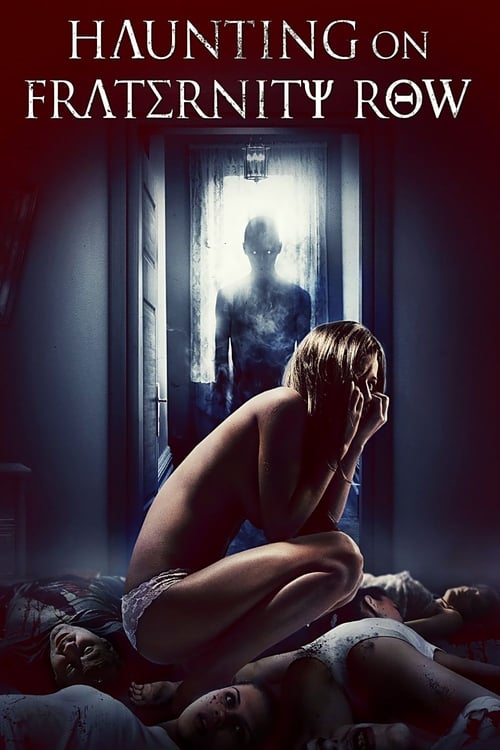
Haunting on Fraternity Row
2018
No user ratings available yet
Representation score: 4.1 out of 10

Representation Score
Fair
2007
TV-14Director
Bert Kish
Runtime
90 minutes
Average Rating
No ratings yetNew Showbiz Analysis
The film sticks closely to mid-2000s television horror conventions, emphasizing established slasher clichés over social subversion. The narrative focuses on a college revenge plot that lacks depth in reflecting multiple aspects of diversity. While the setting is female-centric, the characters often function as victims within a standard genre framework. The lack of diverse casting or identity-driven themes results in a homogeneous social environment. Ultimately, the production serves as a conventional thriller. It does not aim to disrupt social hierarchies or incorporate progressive narrative elements.
Category Breakdown
The film does not include explicit representations of non-traditional gender identities or relationships. It follows typical genre conventions rather than focusing on identity-driven stories.
The sorority setting creates a predominantly female environment, but female characters often play roles tied to victimization. The narrative adheres to traditional horror clichés without challenging patriarchal structures.
The college setting seems to default to a homogeneous social structure. There is no indication of a diverse cast or efforts to break from historical norms.
The story unfolds within a traditional Western college framework. It centers on individualistic revenge without critiquing broader societal or religious structures.
There is no evidence of neurodivergent characters or individuals with physical disabilities. The film does not represent disability as a means for characters to take control of their situations.
Present on Screen
Limited or Absent
Official Synopsis
Samantha Willows, a college freshman, looks to pledge a sorority. Unbeknownst to Sam, it is haunted by a former pledge taking revenge on those who wronged her.
2018

2006
2014

2019
2004
2009
2020
2009
No reviews yet. Be the first to share your thoughts on this movie!
Use the rating form above to leave a star rating and optional review.