
Chicken Girls: The Movie
2018
No user ratings available yet
Diversity score: 2.9 out of 10
1995
PG-13Director
Patrick Read Johnson
Runtime
90 minutes
Average Rating
No ratings yetSynopsis
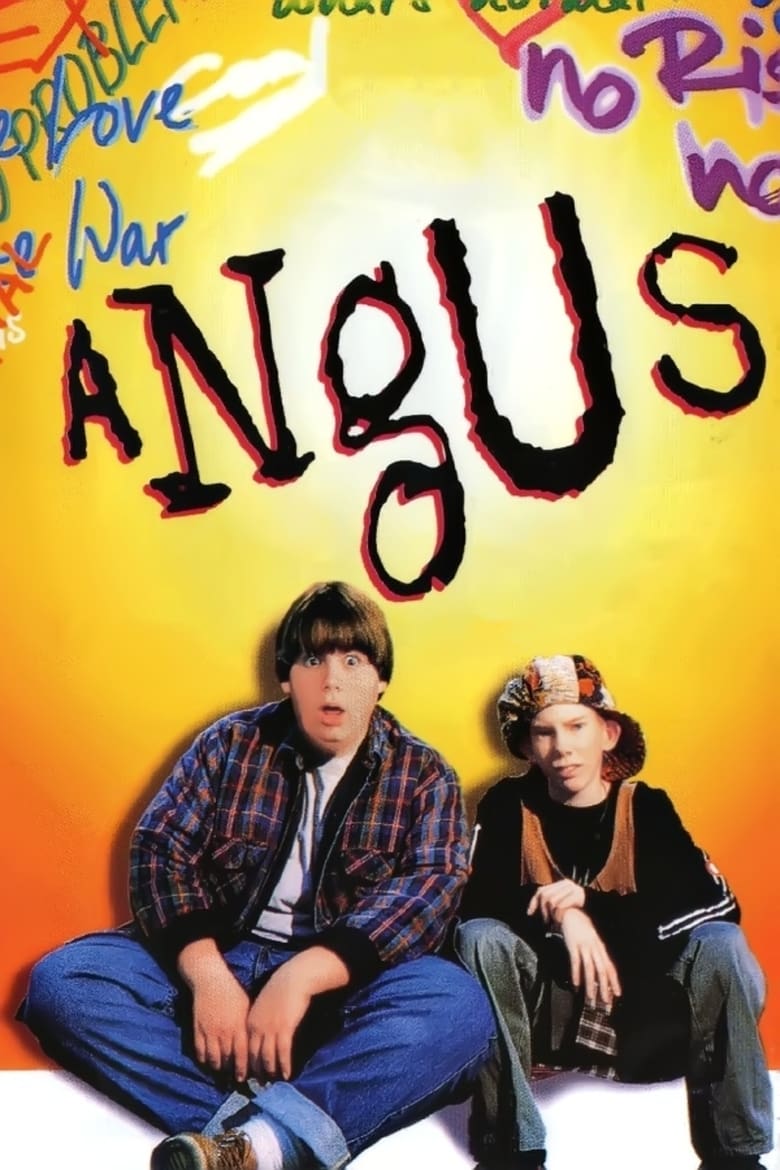
Angus is a large, pathetic 14-year-old whose thoughts are most often filled with the image of only one girl, Melissa Lefevre. Angus is shy and thinks that he has no chance of ever 'getting' her. Being especially uncool, he is incredibly surprised (along with the rest of the school) that he is chosen to dance with her at the Winter Ball. The only one not surprised is the cool kid who set him up to fail, but Angus' best friend is going to help him win the heart of Melissa by developing a new look for him
Overall Score
Limited
Category Breakdown
LGBTQ+ Representation
The film follows a strictly heteronormative trajectory. The central plot focuses entirely on the protagonist's romantic pursuit of a female lead, offering no visibility for non-cisnormative identities.
Gender Representation
Gender dynamics remain conventional, with the female lead serving primarily as a catalyst for the male protagonist's transformation. While Angus subverts the alpha male archetype through vulnerability, the narrative reinforces traditional romantic hierarchies.
Racial & Ethnic Diversity
The social environment appears relatively homogeneous, reflecting typical mid-90s suburban settings. There is no evidence of diverse casting or racial intersectionality driving the primary narrative arcs.
Religious & Cultural Diversity
The story operates within a standard Western, middle-class framework. It prioritizes individual social validation and acceptance within existing institutions rather than deconstructing social or family norms.
Disability Representation
Social anxiety and body image struggles are presented as personal hurdles to overcome. These elements are framed as obstacles to achieving social normalcy rather than explored as independent identities.
Strengths
Areas for Improvement
AI Analysis
Angus is a quintessential mid-90s coming-of-age dramedy that prioritizes individual social integration over systemic critique. The narrative focuses on the protagonist's journey toward personal acceptance within established high school hierarchies. The film adheres to the era's standard tropes, particularly regarding gender and romance. While the protagonist's vulnerability offers a slight departure from traditional masculine archetypes, the story ultimately reinforces conventional social structures. Overall, the film lacks significant representation of diverse racial, cultural, or LGBTQ+ identities. It functions as a character-driven piece that operates within a narrow, traditional social framework.
No reviews yet. Be the first to share your thoughts on this movie!
Use the rating form above to leave a star rating and optional review.