The Exam
2011
No user ratings available yet
Representation score: 4.2 out of 10
Representation Score
Limited
2018
Director
Péter Bergendy
Runtime
75 minutes
Average Rating
No ratings yetNew Showbiz Analysis
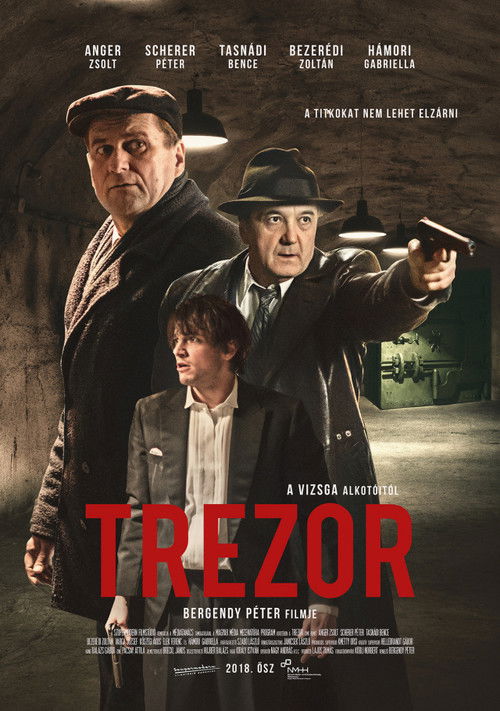
Trezor is a historical thriller that emphasizes thematic subversion rather than identity-based representation. By focusing on the disruption of state authority during the 1956 Hungarian Revolution, the film explores the deconstruction of official history and institutional power. While the film lacks explicit LGBTQ+ or racial diversity, it excels in its cultural critique. The narrative uses a criminal protagonist to expose the systemic opacity of a government ministry, challenging the perceived stability of the state. Ultimately, the film's diversity lies in its intellectual architecture, prioritizing the exposure of hidden truths over the preservation of traditional authority.
Category Breakdown
The film does not include any characters or narratives related to LGBTQ+ identities.
The story centers around a male-dominated dynamic between criminals and law enforcement, emphasizing traditional thriller elements driven by male characters.
Set during the 1956 Hungarian Revolution, the cast reflects the ethnic homogeneity of the time. This historical context restricts the inclusion of diverse racial representation.
The film portrays institutional skepticism and critiques political structures by showing a state ministry during a revolution.
There is no information regarding the inclusion or portrayal of characters with disabilities.
Present on Screen
Limited or Absent
Official Synopsis
The police hire a convicted bank robber to crack the Ministry of Interior's vault during the final days of the 1956 Hungarian Revolution. But what they find inside is quite different from what they were expecting.
2011

2021

2022
2018
2014

2010
2016

2017
No reviews yet. Be the first to share your thoughts on this movie!
Use the rating form above to leave a star rating and optional review.