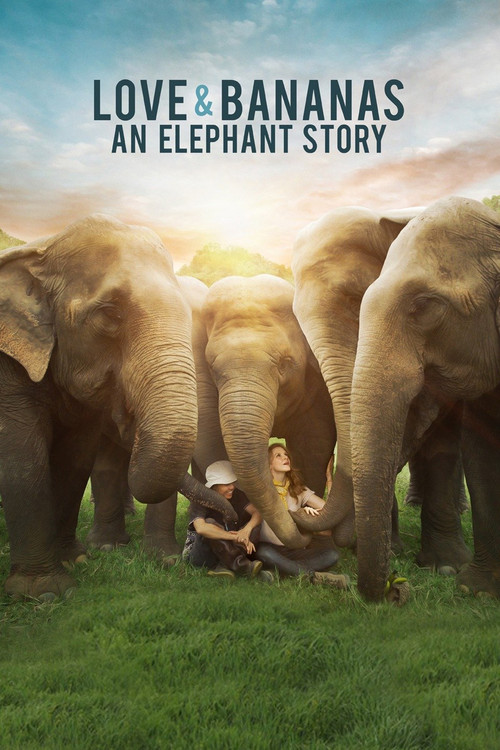
Love & Bananas: An Elephant Story
2018
No user ratings available yet
Representation score: 7.8 out of 10
Representation Score
Limited
2018
Director
Victoria Bromley
Runtime
59 minutes
Average Rating
No ratings yetNew Showbiz Analysis
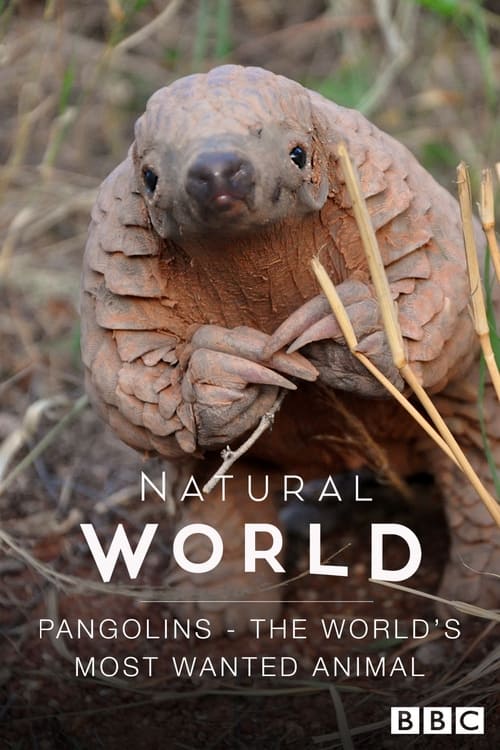
The documentary succeeds by centering a female protagonist, Maria Diekmann, who manages both investigative work and the emotional labor of caring for an orphaned pangolin. This choice challenges the typical male-centric explorer cliché found in wildlife media. By tracing the movement of pangolins from Africa to Asia, the film adopts a perspective that links local ecological struggles to the broader, oppressive mechanisms of global capitalism and international market demand. While the film lacks representation of LGBTQ+ identities or disability, its strength lies in its sophisticated critique of global power dynamics and systemic socioeconomic drivers.
Category Breakdown
The documentary focuses entirely on wildlife conservation and illegal trafficking. There are no LGBTQ+ characters or narratives in the film.
Maria Diekmann is a strong central figure who leads both high-stakes field operations and emotional surrogate care. She challenges traditional male-dominated archetypes of rugged wildlife exploration.
The film highlights the interconnectedness of diverse ethnic landscapes, bridging Namibia and Asia. Including a Chinese megastar helps integrate diverse cultural voices into the global conservation discourse.
The narrative critiques global capitalist structures and how consumer demand drives ecological destruction. It also examines the socioeconomic pressures that lead local populations toward poaching.
There is no evidence of characters or subjects being portrayed through the lens of physical or neurodivergent disabilities.
Present on Screen
Limited or Absent
Official Synopsis
In Namibia, conservationist Maria Diekmann found herself on the frontline of the battle to save these wanted animals after unexpectedly becoming a surrogate mother to an orphaned baby pangolin named Honey Bun. On an emotional journey, Diekmann travels to Asia to better understand the global issues facing pangolins, before joining forces with a Chinese megastar to help build a campaign to bring awareness to the plight of these surprisingly charming creatures.
2018
2015
2018
2014
2018
2019
2012
2020
No reviews yet. Be the first to share your thoughts on this movie!
Use the rating form above to leave a star rating and optional review.