Winter Sleepers
1997
No user ratings available yet
Representation score: 5.2 out of 10
Representation Score
Fair
2004
Director
Tom Tykwer
Runtime
10 minutes
Average Rating
No ratings yetNew Showbiz Analysis
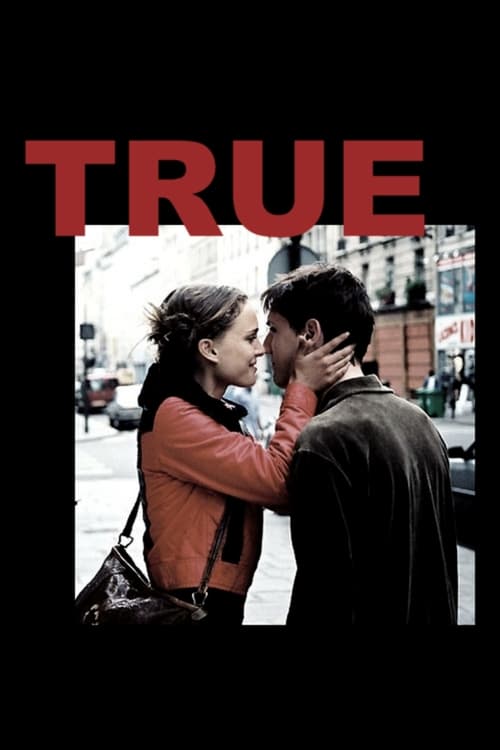
True is a philosophically dense character study that prioritizes postmodern inquiry over broad demographic representation. It successfully deconstructs traditional moral certainties through its exploration of subjective reality and situational ethics. However, the film's focus on a narrow, Eurocentric, and straight-centered perspective limits its inclusivity. The narrative remains centered on a homogeneous social setting, prioritizing thematic structure over diverse identity-based perspectives.
Category Breakdown
The film centers on a heterosexual relationship and does not include any characters or narratives related to LGBTQ+ identities.
The narrative avoids traditional gender hierarchies, focusing instead on a psychological power struggle driven by personal compulsions rather than gender stereotypes.
Set in a contemporary European city, the film features a predominantly white cast and does not explore themes involving multiple aspects of diversity.
The film excels in challenging conventional morality by presenting truth as a subjective concept rather than an absolute rule.
Characters display behaviors indicative of psychological differences, but these are used as philosophical tools rather than realistic portrayals of living with mental health issues.
Present on Screen
Limited or Absent
Official Synopsis
While he's receiving an enigmatic phone call from his girlfriend Francine, Thomas remembers the milestones of their relationship, from the very moment they met in a really strange way. A segment of “Paris, je t'aime” (2006).
1997
2004
1992

2016

2006
2010
2001

2009
No reviews yet. Be the first to share your thoughts on this movie!
Use the rating form above to leave a star rating and optional review.