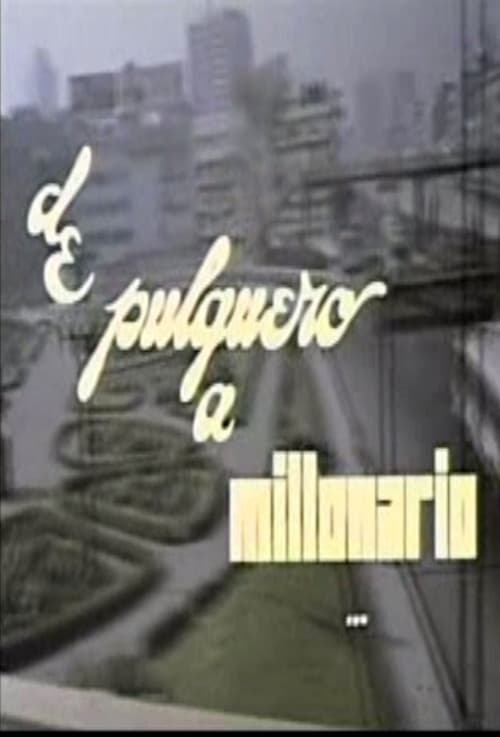
De pulquero a millonario
1982
No user ratings available yet
Representation score: 4.3 out of 10
Representation Score
Limited
1980
Director
Albert Mkrtchyan
Runtime
80 minutes
Average Rating
No ratings yetNew Showbiz Analysis
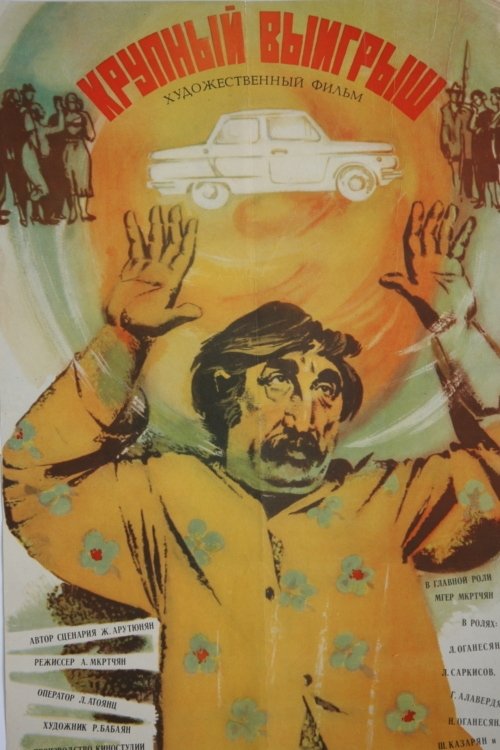
The Big Win is a traditional comedy centered on a working-class crane operator whose life changes after winning the lottery. The film follows a standard cliché of socioeconomic disruption, focusing on the challenges that come with sudden wealth. Since the story primarily centers on social status and material shifts, it lacks the complexity needed for multi-layered representation. The film serves as a character-driven study of class dynamics rather than a platform for progressive social commentary. Overall, the film reflects the era's preference for social realism and satirical commentary on labor, presenting a narrow perspective on the human experience.
Category Breakdown
The film does not include any characters with non-straight or non-cisgender identities. The plot revolves around the protagonist's response to winning the lottery.
The gender of the crane operator is not specified. There is no indication of women taking a leading role or challenging traditional gender roles.
The film likely reflects the demographic uniformity typical of its 1980 production era. There are no specific details about multi-ethnic or non-Anglo-Saxon casting.
The story examines the tension between labor and sudden wealth. This focus on community solidarity aligns with mid-century cinematic themes.
The film does not mention any characters with physical disabilities, neurodevelopmental differences, or mental health issues.
Present on Screen
Limited or Absent
Official Synopsis
A crane operator wins a car in a lottery and his life immediately encounters various trials and tribulations.
1982
1998

2014

2008

1958

1995
1994

1984
No reviews yet. Be the first to share your thoughts on this movie!
Use the rating form above to leave a star rating and optional review.