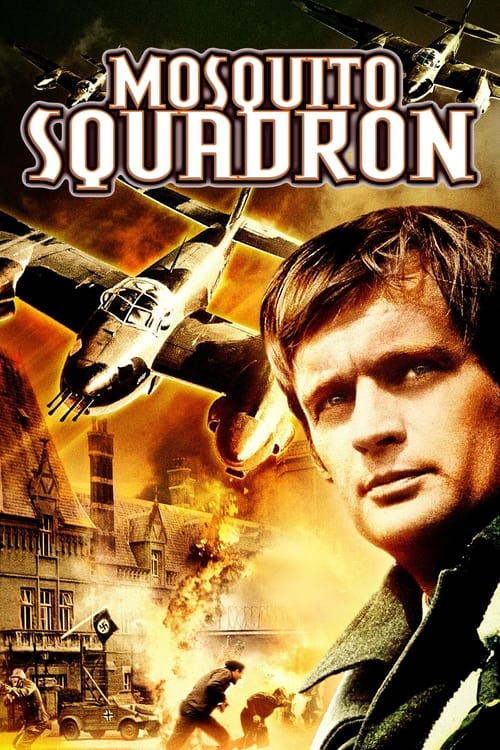
Mosquito Squadron
1969
No user ratings available yet
Representation score: 0.2 out of 10
No Poster Available
Representation Score
Minimal
1941
Director
Michael Powell
Runtime
6 minutes
Average Rating
No ratings yetNew Showbiz Analysis
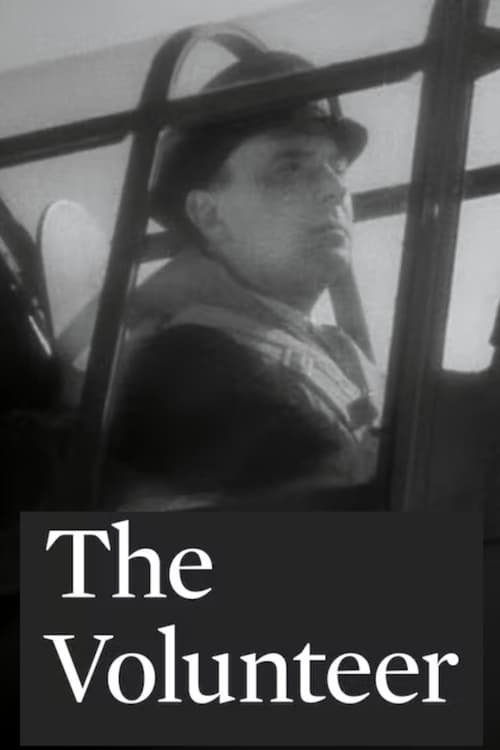
The film opens on a tight, intimate close-up of a young British soldier’s face, eyes closed, listening to a voice. This is not a battlefield panorama but a private moment of connection, framed to sell the idea that the war is fought in the mind and heart as much as on the front. The sold meaning is clear: the British soldier is a stoic, thoughtful individual, not just a machine of war, and his duty is sustained by the love of his mother. The camera lingers on these tired, real-looking men with a soft, empathetic focus, treating them as holy and worthy of respect. There is no beauty lighting for officers; the "handsome" quality is the dignity of endurance. The film’s argument is that duty and sacrifice are the highest forms of masculine virtue, and that the system of war is the container for personal honor. This is a sincere, unironic sermon on traditional values, where the family is the ideal and the nation is the source of pride. The contradiction is minimal because the film does not attempt to critique its own premises; it simply affirms them. The last image is the soldier’s face, now open-eyed and alert, looking directly into the camera as the voiceover concludes. This final shot is not a battle scene or a flag, but the human face of the listener, suggesting that the war is being fought in the mind and heart. The film ends with a quiet affirmation, rewarding the soldier with the audience's empathy and the narrator's validation. It is a polished, effective piece of wartime propaganda that treats traditional hierarchies and national duty as unmarked goods, leaving no room for dissent or critique.
Category Breakdown
No queer dynamics appear in this five-minute short. The sole relationship is the platonic bond between a soldier and his mother, devoid of same-sex intimacy or non-heteronormative tension.
The mother serves as the moral anchor, her voice providing emotional sustenance. Men are stoic vessels of duty, while women exist only as the domestic source of comfort and virtue.
The cast consists exclusively of white British men, presented as anonymous, working-class faces. No non-white characters, colonial subjects, or ethnic diversity appear on screen or in the narration.
The film treats the nuclear family and national duty as unquestioned goods. Patriotism and traditional masculine virtue are presented as the highest moral standards without critique or irony.
No disabled characters or impairments are depicted. The soldier’s body is shown as intact and functional, serving purely as a vessel for emotional and national duty.
Present on Screen
Limited or Absent
Official Synopsis
A Royal Air Force (RAF) airman who dies during a mission has left a letter to be sent to his mother upon his death.
1969
1958
1944
1957
1942

1942
1953

1959
No reviews yet. Be the first to share your thoughts on this movie!
Use the rating form above to leave a star rating and optional review.