The Little Mermaid
1987
No user ratings available yet
Representation score: 1.2 out of 10
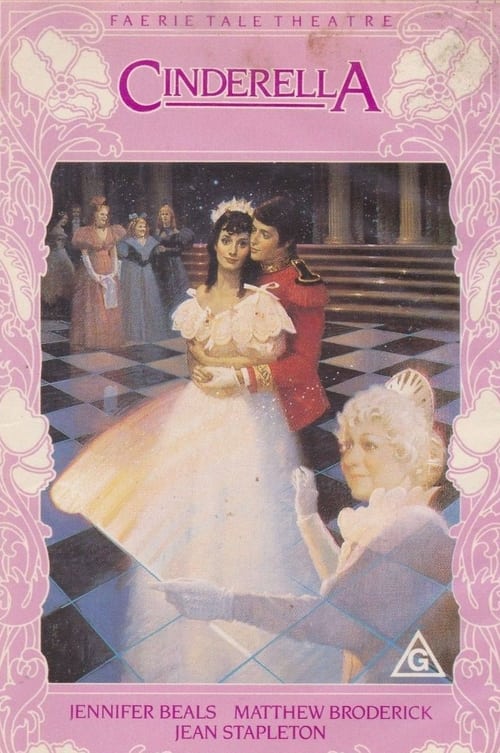
Representation Score
Minimal
1985
Director
Mark Cullingham
Runtime
51 minutes
Average Rating
No ratings yetNew Showbiz Analysis
Cinderella (1985) functions as a traditionalist narrative that adheres strictly to established genre conventions. It utilizes a classic 'oppressed-to-elevated' character arc that reinforces conventional social and romantic hierarchies. The film lacks representation of non-straight relationships and follows standard mid-80s Western television casting norms. The focus remains on a conventional romantic trajectory within a structured social hierarchy. While the protagonist seeks to overcome social barriers, the ultimate resolution leans toward traditional romantic fulfillment rather than disrupting systemic power structures.
Category Breakdown
The film follows a traditional romantic arc without any queer subtext or disruption of conventional gender roles.
The story explores female oppression and gendered power dynamics. However, the resolution relies on romantic salvation through a royal figure rather than challenging patriarchal structures.
The production likely adheres to the homogeneous casting conventions typical of mid-80s Western television. There is no evidence of race-bent casting or a non-Anglo-Saxon majority.
The narrative reinforces Western morality and class mobility through romantic union. It utilizes the monarchy and nuclear family as settings for social elevation without critiquing them.
There is no evidence within the provided context to suggest the inclusion of characters with visible or invisible disabilities.
Present on Screen
Limited or Absent
Official Synopsis
An oppressed young woman finds happiness when she secretly attends the royal ball.
1987
1997
1983
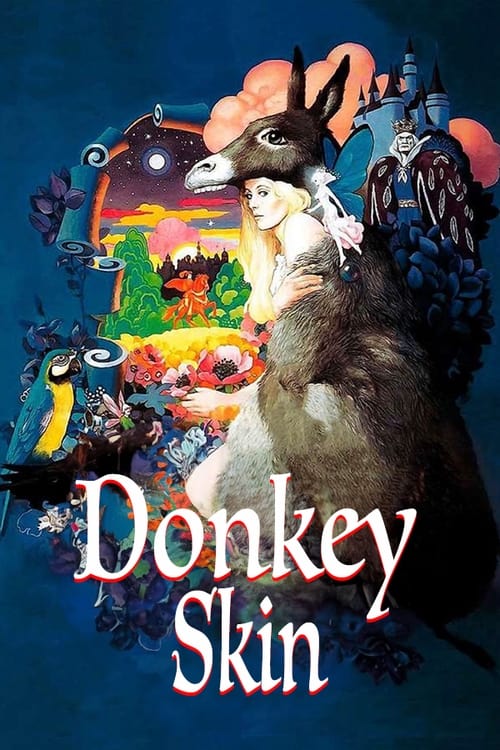
1970
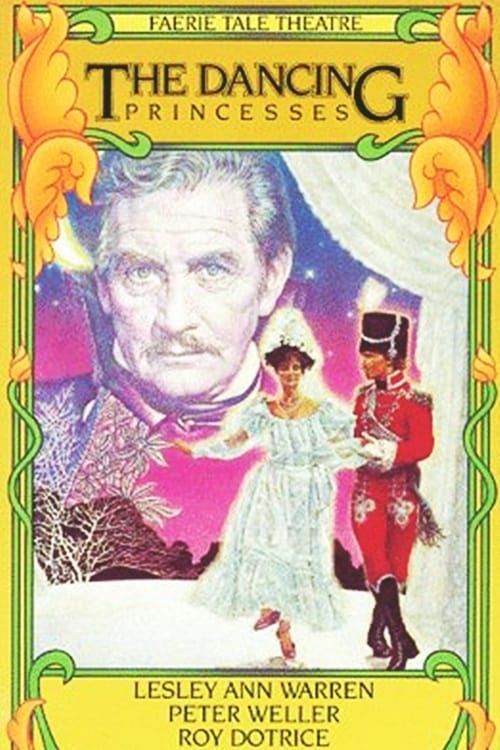
1987
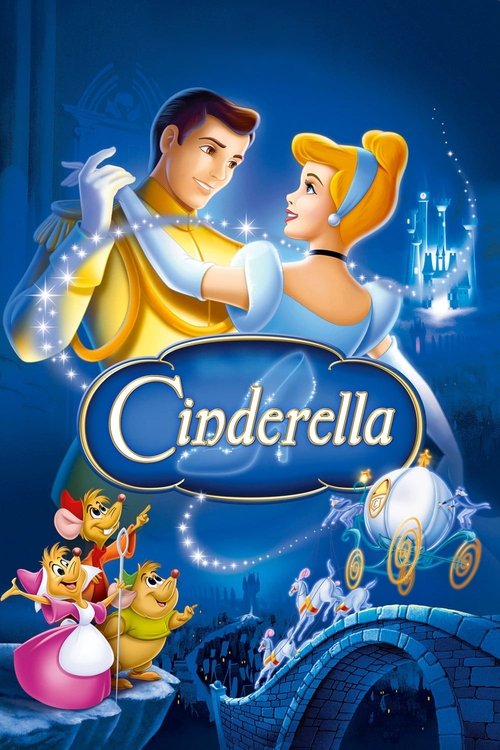
1950

2017
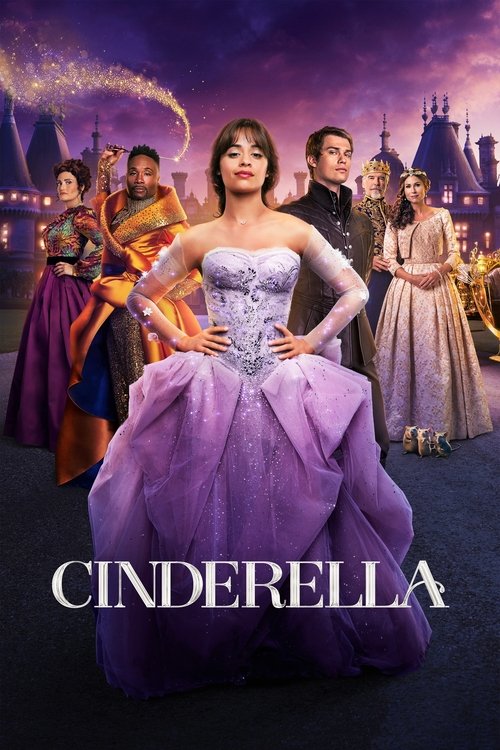
2021
No reviews yet. Be the first to share your thoughts on this movie!
Use the rating form above to leave a star rating and optional review.