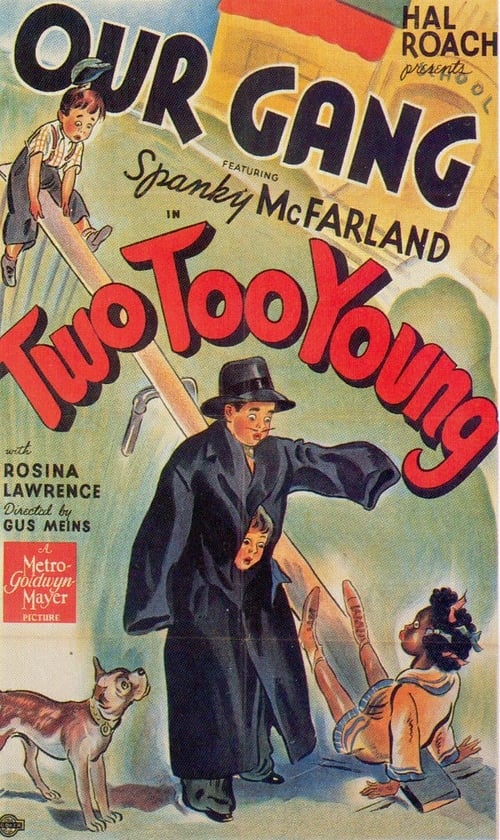
Two Too Young
1936
No user ratings available yet
Representation score: 1.1 out of 10
Representation Score
Limited
1936
ApprovedDirector
Gordon Douglas
Runtime
10 minutes
Average Rating
No ratings yetNew Showbiz Analysis
Bored of Education is a quintessential 1930s comedic short that prioritizes escapism over social critique. The narrative relies on established character types and traditional comedic elements to drive its plot of childhood deception. While the film avoids actively promoting harmful hierarchies, it remains confined by the social norms of its time. The focus is narrow, centered on male-driven mischief and avoiding institutional responsibility. Ultimately, the work functions as a period piece adhering to standard production models. It lacks intentional characters who reflect more than one aspect of diversity or engagement with diverse identities or complex social structures.
Category Breakdown
The film centers on juvenile mischief and adolescent social dynamics. It does not depict or critique non-straight relationships or identities.
The story is male-focused, emphasizing interactions between Spanky and Alfalfa. Female characters play minor roles and have little influence over the main plot.
The film operates as a typical situational comedy where race is not a central theme. Historical integration is noted, but specific racial makeup is unspecified.
The story emphasizes traditional school settings and lacks anti-establishment sentiments or moral relativism found in modern works.
A fake toothache serves as a plot device for deception. This uses a medical condition as a means for humor rather than addressing actual disabilities.
Present on Screen
Limited or Absent
Official Synopsis
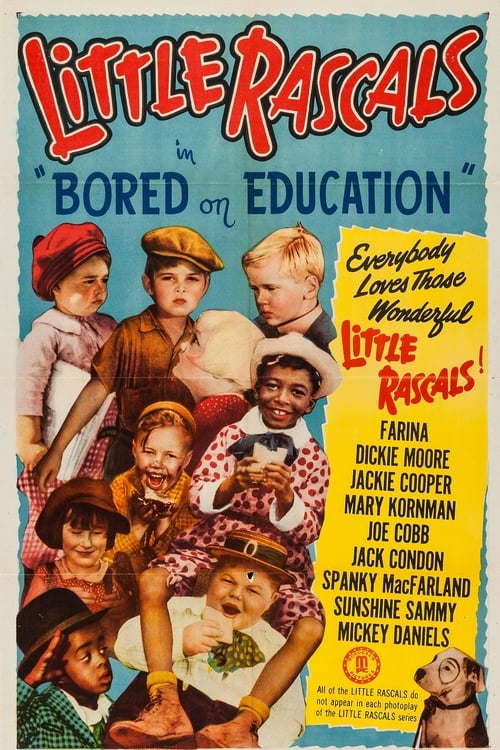
Spanky and Alfalfa fake a toothache to get out of school. Preserved by the Academy Film Archive in partnership with UCLA Film & Television Archive in 2013.
1936
1937
1937
1937
1939
1933
1951
1937
No reviews yet. Be the first to share your thoughts on this movie!
Use the rating form above to leave a star rating and optional review.